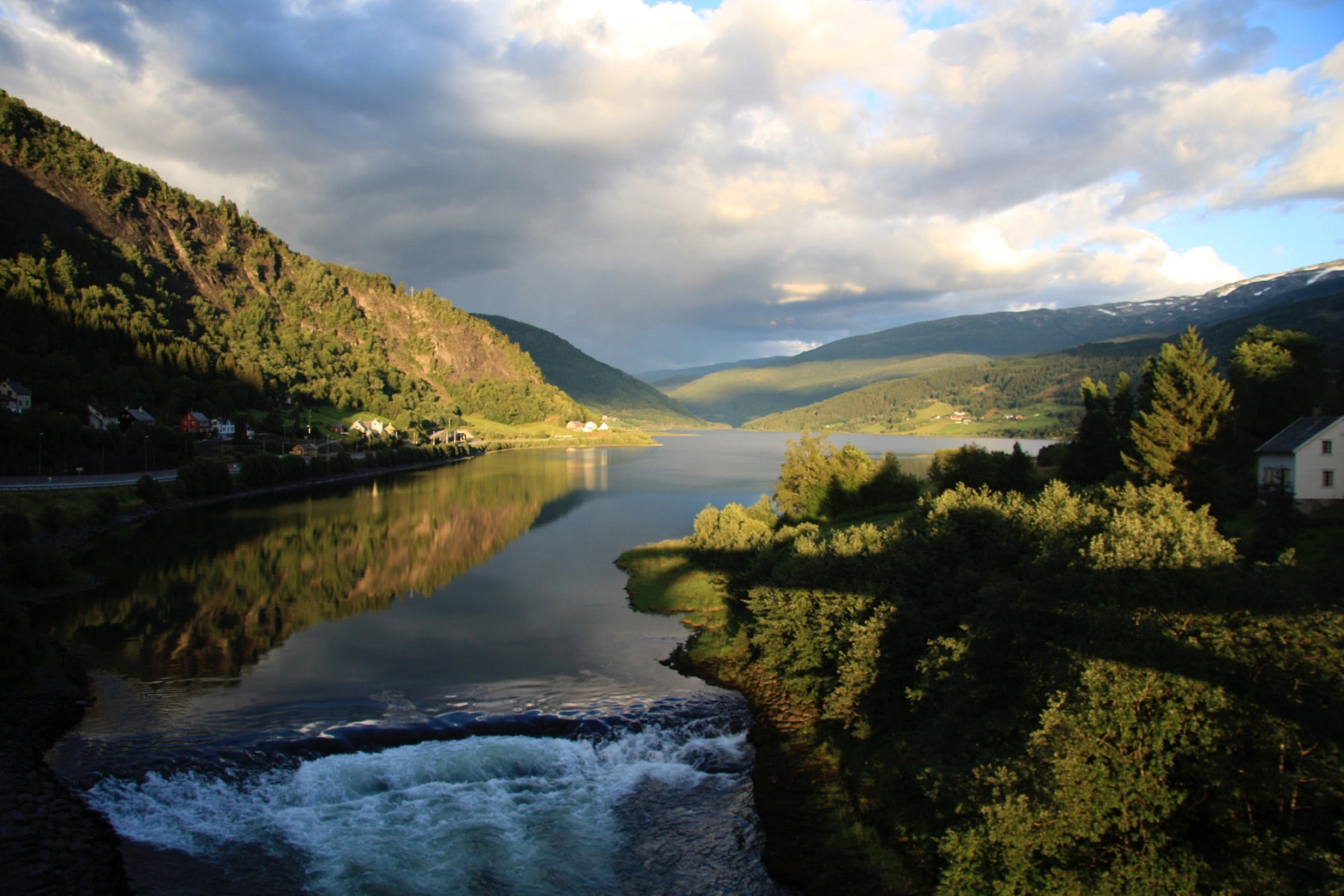
In 2017, researchers retrieved an eleven-metre-long sediment core from Lake Vangsvatnet in Voss. The core reveals 8,000 years of flood history in the community, west in Norway.
Read moreFind an Expert
Our researchers are employed either at NORCE, UiB, the Nansen Center or the Institute of Marine Research. The researchers work together across various scientific disciplines. Find researchers with backgrounds in meteorology, oceanography, geology, geophysics, biology and mathematics, among others.
Projects
Researchers at Bjerknes are involved in several projects, both nationally and internationally. The projects are owned by the partner institutions, with the exception of our strategic projects.
Publications
Researchers at the Bjerknes Center publish more than 200 scientific articles each year.
Calendar
Se alle
Stormtracks group meeting
Hi everyone, We’ll have our stormtracks group meeting this Wednesday (28.10) from 14:00 to 15:00 at Skybar (BCCR 3180). This week Ji-Hee will present her work about - Sudden Stratospheric Warmings in a Stratospheric Aerosol Injection Climate. The meeting will be hybrid and you can join remotely via Zoom: https://uib.zoom.us/j/62886269543?pwd=ajWbi97zr0hbniaoQdZkUtD2EUSSri.1 Meeting ID: 628 8626 9543 | Password: qSKTfKU3 The meeting schedule for this semester is in the following google doc: https://docs.google.com/document/d/1oLVVNtXjbjU3uNZ62qnXF8pcYbrCB34aUqUbDfnb2vo/edit?tab=t.0 Looking forward to seeing you all!:) Best, Birgit and Yangfan

Gruppemøte Polar/Carbon om Polhavet 2050 og IPY.
Ledergruppemøte Bjerknessenteret
Our Research Groups
Cross-Cutting Activities
Learn About Climate Science
Se alle


News
Se alle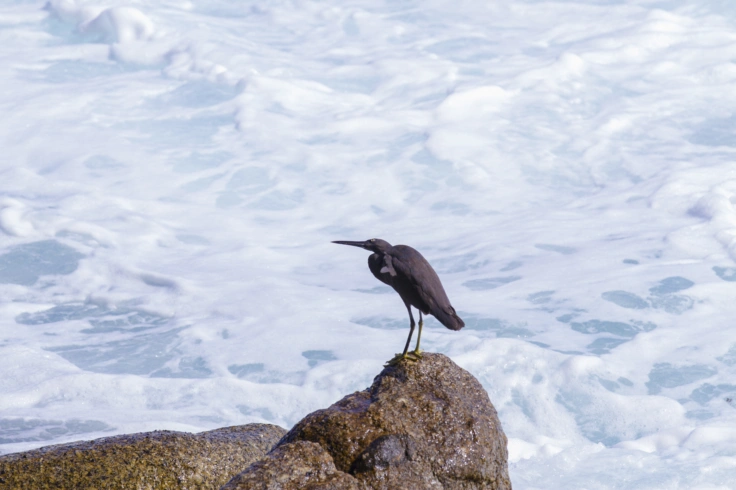
Bringing El Niño into Focus
A new dashboard developed by researchers at the University of Bergen, the Bjerknes Centre for Climate Research, and the Federal University of Santa Catarina (UFSC) helps users track how the world's media covers El Niño, and how that coverage compares with real-world climate events.
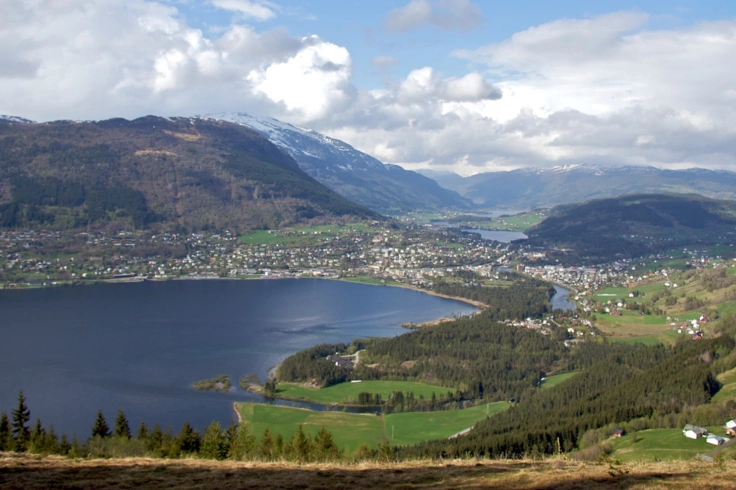
Eleven metres of mud reveals 8,000 years of flood history
In 2017, researchers extracted an eleven-metre-long sediment core from Lake Vangsvatnet in Voss. The core provides a rare glimpse into the flood history of this Western Norwegian community and consists of layer upon layer of material that has been carried into the lake by rivers and streams over thousands of years. We spoke with Pål Ringkjøb Nielsen about the work of uncovering 8,000 years of flood history.
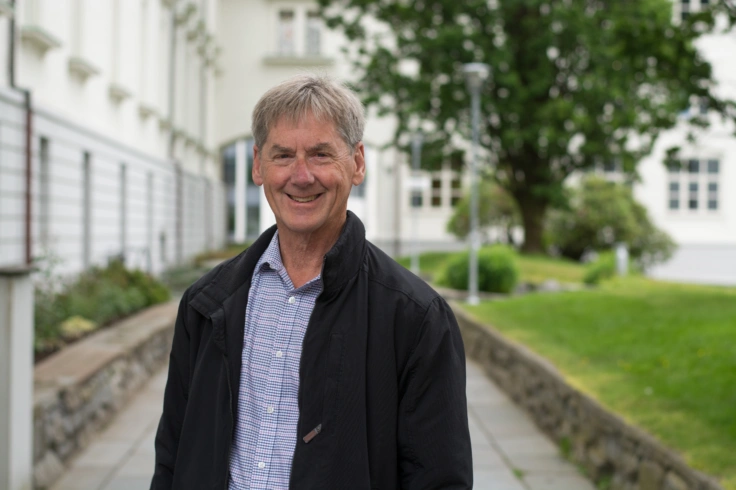
Counting his years in CO2
The year Ralph Keeling was born, his father set up a CO2 monitoring station on the volcano Mauna Loa. Almost seventy years later he can read off his age from a curve that became, not just evidence, but a symbol of climate change.