Projects
Here you will find projects that our researchers lead or participate in. The projects are owned by the partner institutions, with the exception of our strategic projects.
Strategic projects 2026-2030
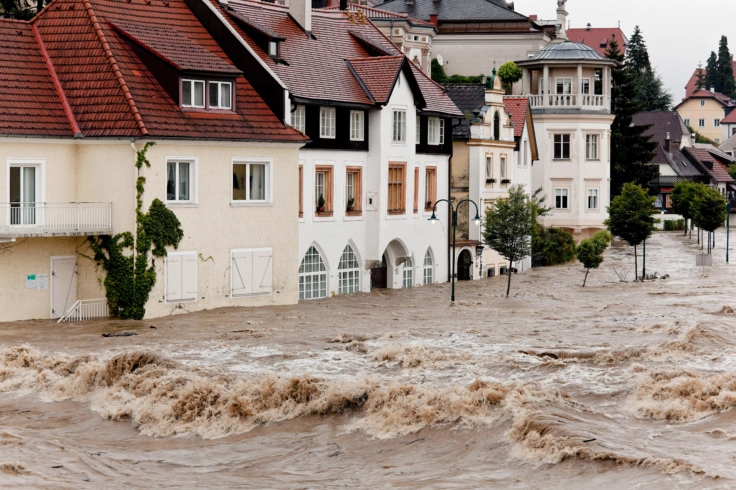
Dynamics of Unprecedented and Compound Extremes using AI
Extreme weather and climate events are becoming more frequent and intense, while changes in climate are also affecting where and when these events occur. This can lead to new types of risks, including compound extremes where multiple hazards occur to increase overall impacts.
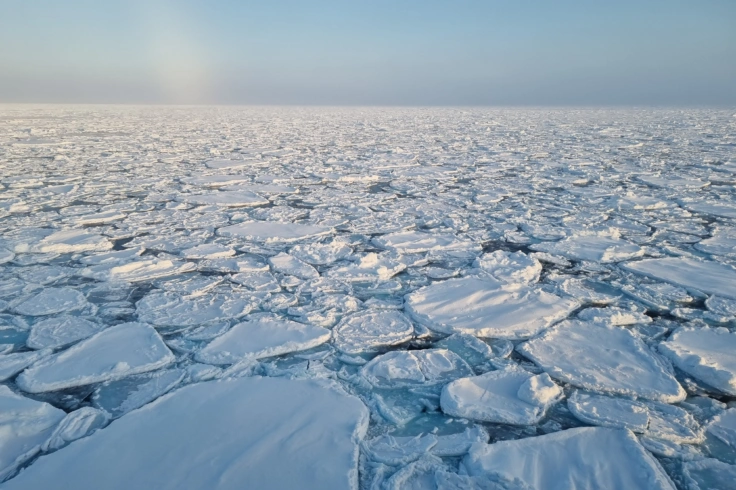
Biogeochemistry in Sea Ice environments
The Arctic warms 2 to 4 times faster than the rest of the planet. A phenomenon known as Arctic amplification. One of the new strategic projects at the Bjerknes Centre, called BioCrystal (Biogeochemistry in Sea Ice environments), wants to investigate how rapid warming and changing sea-ice conditions in the Arctic affect biological and chemical processes in the sea ice and ocean.
A particular focus is on primary production, air-sea CO₂ exchange, and the biological carbon pump, which transports carbon from the surface to the deep ocean.

Global Responses and Drivers of the Tropical Pacific Zonal SST gradient Trend
Our climate models say one thing. Observations of the Pacific Ocean show something else. Why?
That is one of the great unresolved questions in today's climate research – and the starting point for one of the Bjerknes Center's new strategic research projects, which has been named GRADIENT.
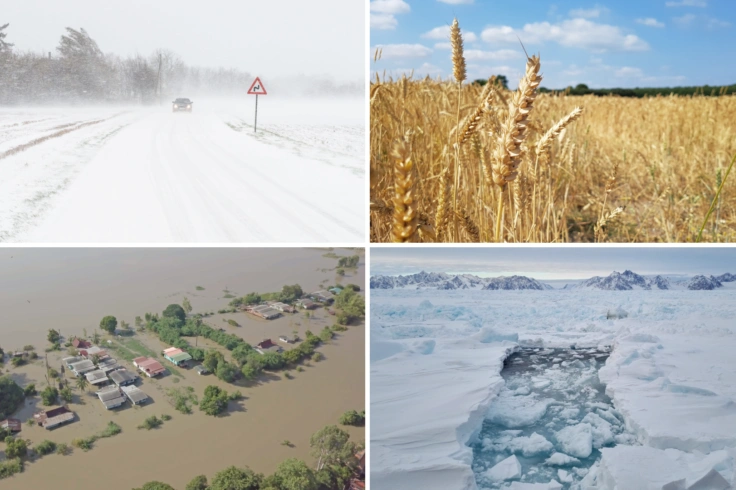
Pioneering subseasonal-to-seasonal prediction of regional climate and extremes through hybrid AI–physics modelling
Society needs reliable predictions to be able to prepare for extreme events like the storms Hans, Amy and the recent heatwaves in Europe. The researcher from the Nansen Environmental and Remote Sensing Center and the Bjerknes Centre will lead the Bjerknes Centre’s new project aimed to develop a climate prediction system for the period between two weeks and one year.
Centres and research programs

Climate Futures
Climate Futures is a Centre for Research-based Innovation (abbreviated SFI in Norwegian), funded by the Research Council of Norway. Climate Futures will co-develop better methods and practices for climate risk management by working with nearly 40 partners in a consortium.
The work in Climate Futures is organized in user-driven projects, ranging from short pilots lasting a few weeks or months to long-term strategic programmes over several years.
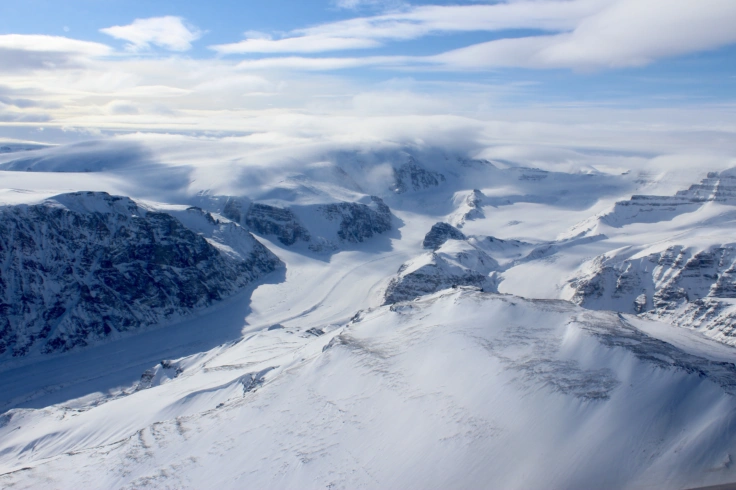
Arctic Ocean 2050
Research for a sustainable ocean management
A new Arctic Ocean requires new knowledge and insight into changes, how they interact and links to areas further south.
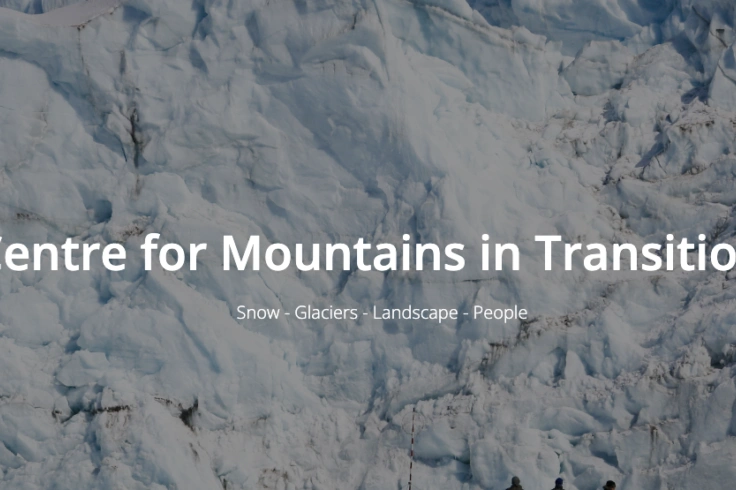
Centre for Mountains in Transitions
Snow - Glaciers - Landscape - People