Prosjekt
Resilient northern overturning in a warming climate (ROVER)

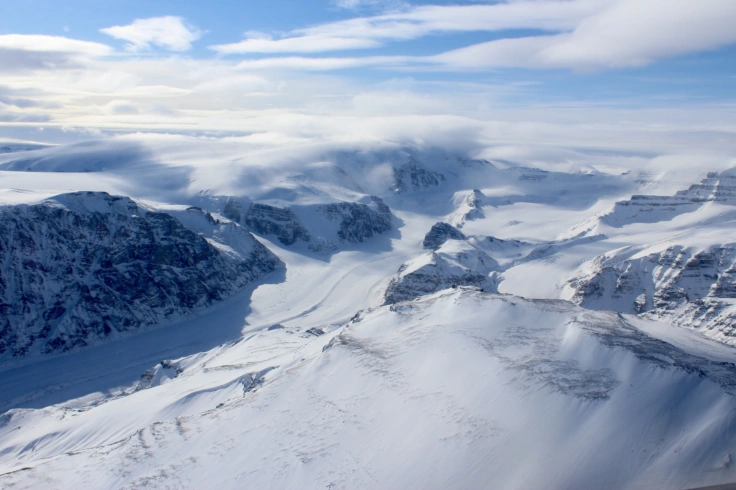
In ROVER the researchers will observe the deep-water formation along east Greenland, both through a winter expedition on an icebreaker, using mooring across the Greenland slope, and autonomous underwater gliders. The measurement campaign will provide groundbreaking data, cruical for the understanding of the processes that supply cold, deep water to the lower limb of the AMOC.
Status
Active
Duration
2024-2028
Owner
UiB - University of Bergen
Project lead
Kjetil Våge
Funded by
ERC - Consolidator Grant
Researchers from Bjerknessenteret

Kjetil Våge
Professor - Polar Climate, UiB - University of Bergen

Stefanie Semper
Forsker / Scientist - Polar Climate, UiB - University of Bergen

Anna-Marie Strehl
Stipendiat / PhD Student - Polar Climate, UiB - University of Bergen
Related articles
See all
18.03.25
Dramatic Changes in the Greenland Sea
Due to climate change, deep water production has changed fundamentally in the Northern Hemisphere. This has major consequences for ocean circulation and the ocean's ability to absorb carbon.

03.06.25
Searching for navigable seas and better ice predictions
When Roald Amundsen planned his ship expedition to the North Pole, he saw no other option than sending his crew into the air to search for open leads. Though satellites make it easier to navigate through sea ice, researchers go down among the floes.

20.02.25
To the counterpart of the Gulf Stream
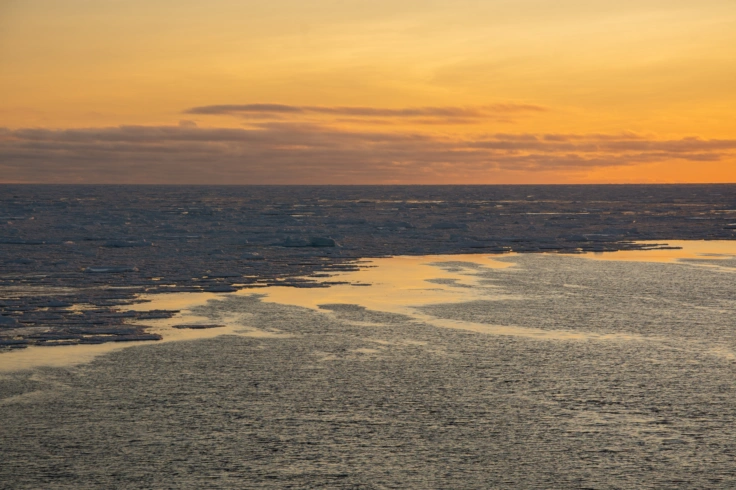
Could ice-free waters off Greenland counteract changes in the Atlantic Ocean? A winter cruise sheds light on unexpected consequences of climate change.
03.11.25
Banned gases reveal the age of water
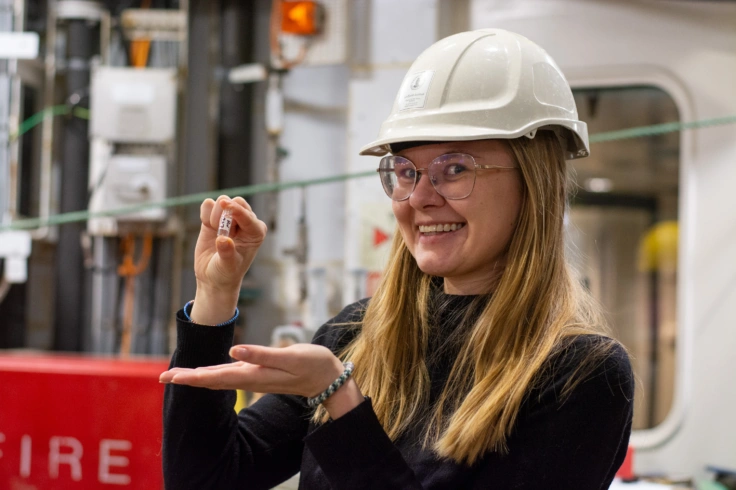
The use of gases that deplete the ozone layer has been restricted for almost forty years. Still such substances linger in the ocean – a troublesome legacy marine scientists can exploit to keep track of the ocean circulation.
25.11.25
All the water we cannot see
Only a fraction of the ocean lies at the surface. How can we find out what happens in water that lies underwater?

11.07.25
Loss of sea ice stabilizes Atlantic circulation
The risk of a slowdown of the overturning circulation in the North Atlantic Ocean is lower than previously thought. New research suggests increased deep water formation in ice-free regions of the Arctic Ocean will keep the wheel spinning.