Up and running at the Mountain Centre
Soon, all ten PhD candidates will be in place at the Centre for Mountains in Transition (CMT). Their first field trip is just around the corner.
Publisert 15. April 2026
Written by Tori Pedersen
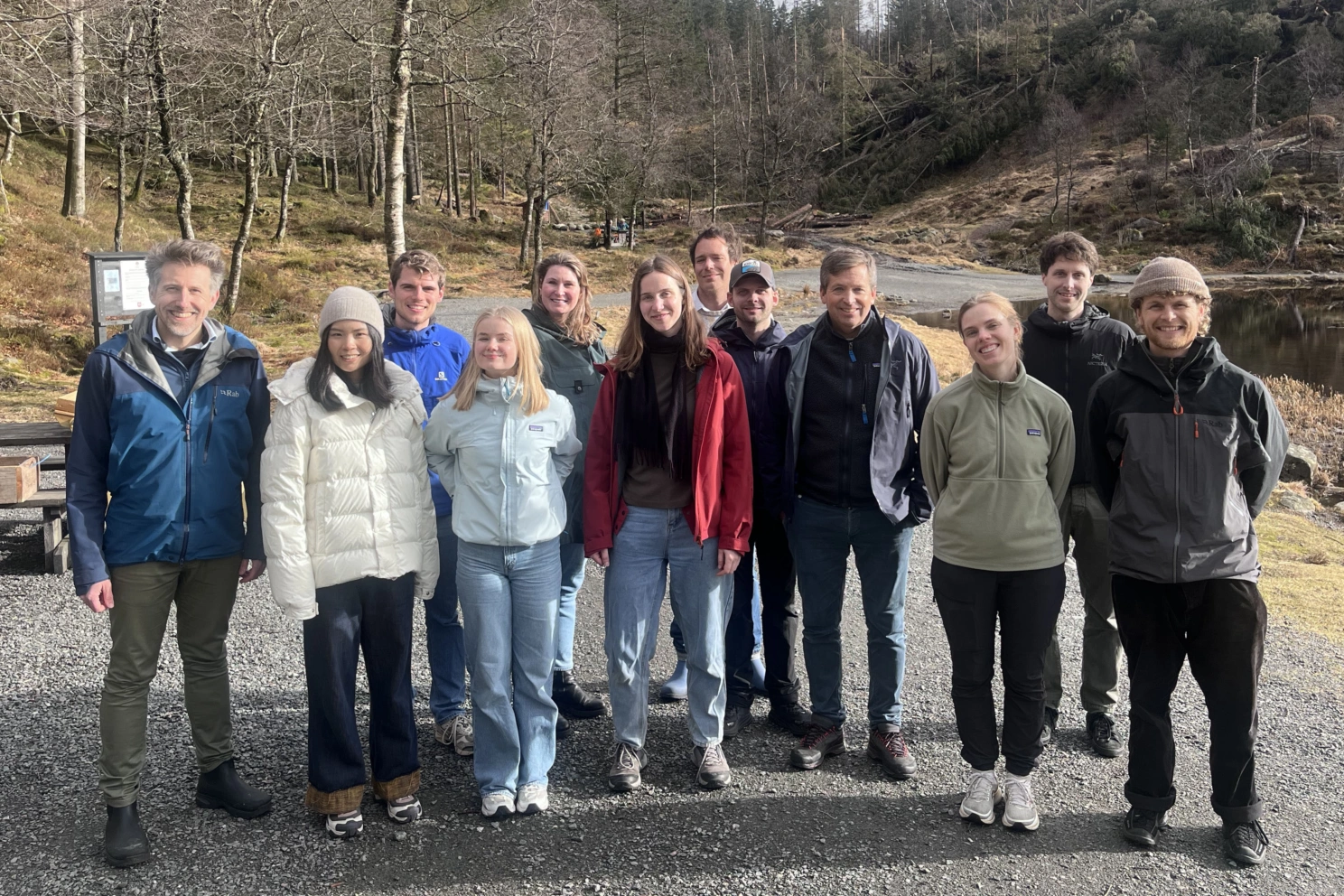
The PhD candidates at the kick‑off meeting on Fløyen. Photo: private
"I will be studying landscape change over time, focusing on the changes that can be measured using the imagery available to us and the processing methods we are developing. This may involve quantifying changes in glacier volume, the redistribution of sediments following extreme events, or the growth and stability of glacial lakes. Across all of these cases, we will ask similar questions: what paths do these changes follow, are they correlated with known climate‑related drivers, and are the changes spatially uniform or highly site‑specific,” says Jor Fergus Dal, PhD candidate at the University of Bergen and the Bjerknes Centre.
He is one of ten PhD candidates who will work at CMT. The centre aims to bring together leading researchers in climate science, ecology, hydrology, geoscience, and social sciences to explore how mountain systems are changing and how we can build resilience for the future.
Interdisciplinary
“I find the center incredibly exciting because it is so interdisciplinary. Here, people from different fields come together and work in ways that truly elevate the research. At the same time, we also involve stakeholders, so the people who use the knowledge get to be part of the process,” says Dal. He has previously worked on mapping supraglacial lakes and snow avalanches using historical aerial photographs.
Eight PhDs will work at the University of Bergen, while two will work at the Norwegian University of Life Sciences at Ås, outside Oslo.
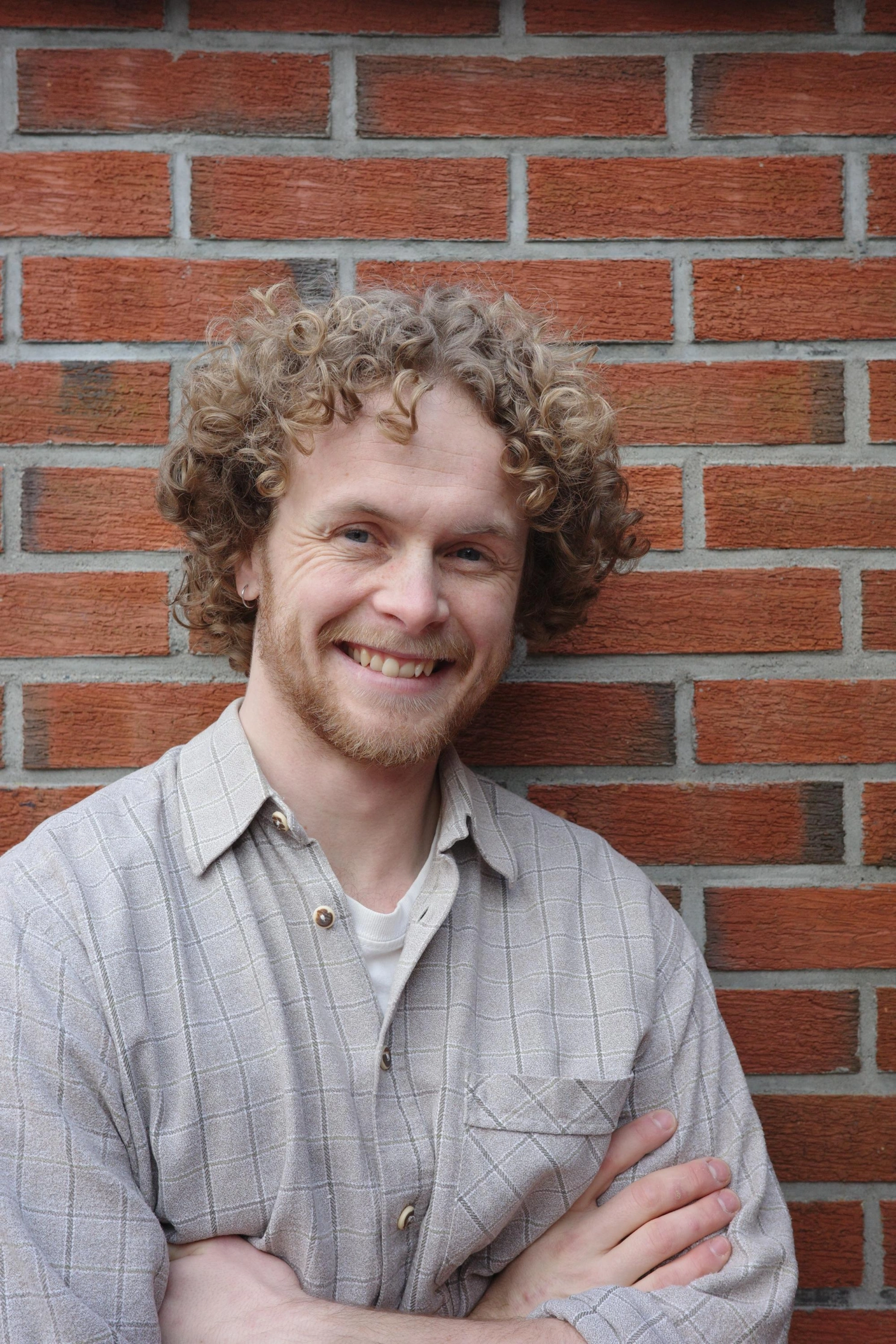
Fergus Dal. Photo: private
Centre for Mountains in Transition (CMT)
The consequences of climate change in mountain areas worldwide are severe. Glaciers and snowpacks are retreating and disappearing, water regimes are changing, and snow is often replaced by rain. Climate change and the associated changes in snow and hydrology affect the characteristic mountain biodiversity that supports vital ecosystem functions and services in the mountains, communities, and societies.
All these changes are amplified by increased human pressures, as is well-documented in the scientific literature and highlighted by the International Panel on Climate Change (IPCC) and the Intergovernmental Science-Policy Platform on Biodiversity and Ecosystem Services (IPBES).
We will address these challenges with an interdisciplinary research program targeting accelerated environmental changes in the Scandinavian mountains, emphasising major trends, shifting seasonality, extremes, and resilience. The cutting-edge science produced by the Centre for Mountains in Transition will integrate insights and approaches from complementary disciplines in a coordinated effort to understand better and contribute solutions that can safeguard mountains and the societies that depend on them. This will help guide sustainable and responsible human lives and livelihoods in the Scandinavian mountains and beyond.
Our primary objective is to understand better how the Scandinavian Mountain environments respond to and interact with accelerated global climate change and increased human impacts.
The centre is led by the University of Bergen and the Bjerknes Centre, and will be operated in collaboration with NORCE, the Norwegian University of Life Sciences (NMBU), and the Norwegian Trekking Association.
CMT is also funded by Trond Mohn Research Foundation.
Collaboration
“As the mountains are now undergoing rapid transformation, we need expertise from multiple disciplines to understand natural and societal processes in context. We hope that the PhD candidates will become a new generation of researchers with a more holistic view of the mountains and their future,” says the centre's director, Jostein Bakke from the University of Bergen and the Bjerknes Centre.
The new PhDs will work within an interdisciplinary framework that reflects how complex and intricate the changes in our mountain areas are.
Collaborative research was something that spoke to Polina Sevastyanova, one of the new PhDs in the mountain centre.
“I think it's great to have different disciplines and work towards a common goal. This project seemed perfect for me,” says Sevastyanova. She has been researching the impact of climate change on polar ice sheets and sea level rise. She completed her master's degree at Cambridge, completing her research project at the British Antarctic Survey.
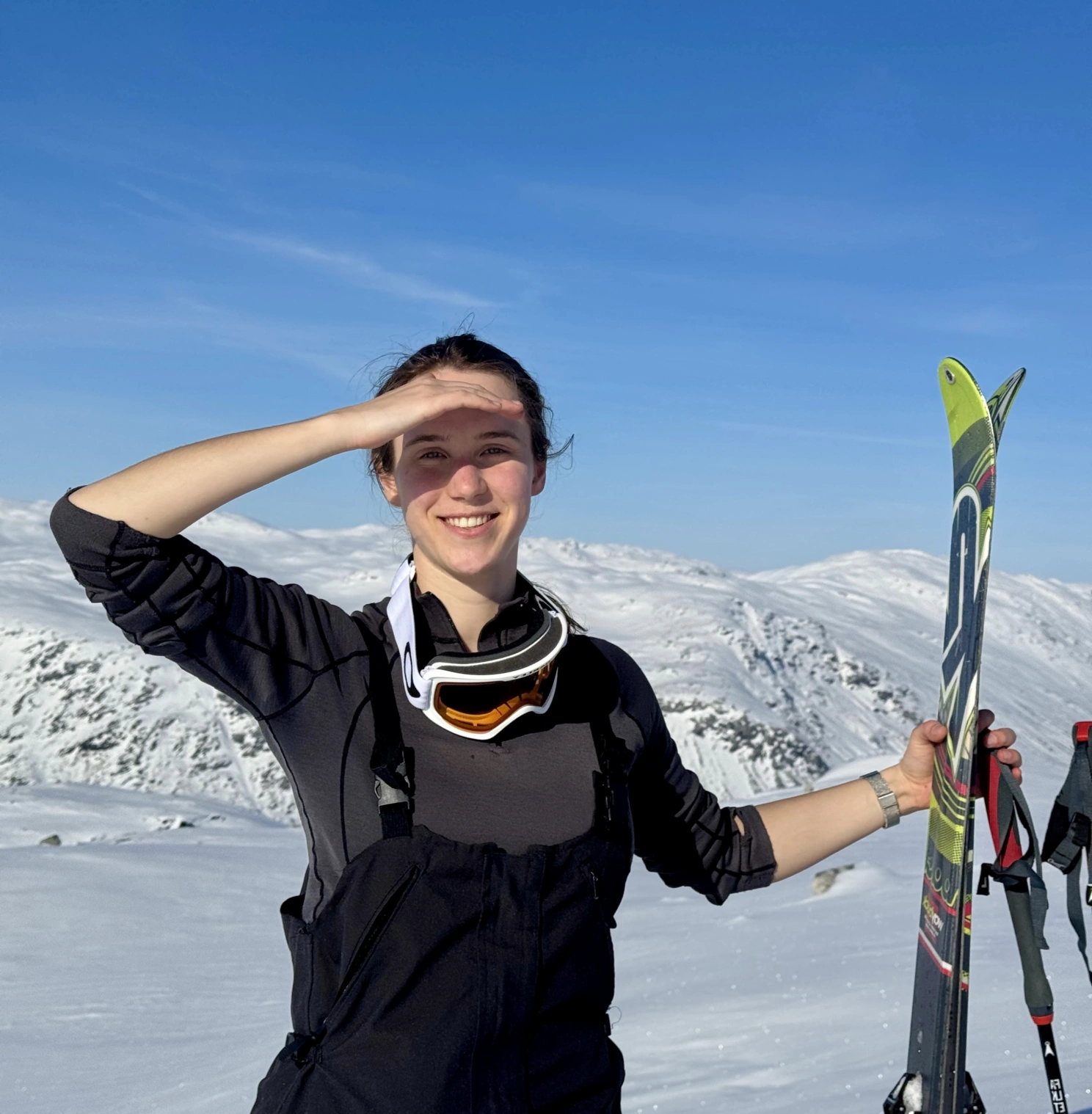
Polina Sevastyanova. Photo: private
Folgefonna next
Sevastyanova is looking forward to the first field trip. In April, the PhD students are going to Folgefonna ice cap. They will, among other things, set up a weather station on the glacier, something she has been working on since arriving in Bergen.
“It will record data over the next six months, which we will then analyse. So far during my time here, I’ve programmed the station, connected the sensors, physically assembled it, and made decisions about how everything is mounted, how it should operate, and how much power it uses, very hands‑on, practical work so far,” she says.
Eyes on the ice
The weather station will measure temperature, precipitation, wind, and humidity. It will also measure snow depth and send the information back. Another important component is solar radiation and energy balance, that is, how much sunlight is incident on the glacier, the fraction that is reflected and absorbed and how much heat is absorbed and emitted.
“This can tell us about whether changes in rainfall are making the glacier wetter and darker, making it absorb more energy and lose more mass. We don’t really have this kind of high‑resolution information for Folgefonna, and because changes are happening so quickly, these data will be extremely valuable”.
Sevastyanova emphasizes the importance of working with local communities and companies, and the value of the opportunity to travel onto the glacier and see what is happening.
“Here, the research is highly relevant to energy supply, farming and local communities. The goal of my work is to gain a solid understanding of both the glacier’s mass balance and energy balance, to predict what will happen in the future.