Science never takes a summer break
Summer may be a quieter time for many, but research at the Bjerknes Centre has certainly not stood still. From fieldwork and research cruises to conferences, new publications and scientific collaborations, our researchers have been busy both at home and abroad. Here are some of the research activity that has taken place over the past few months – a glimpse of what our scientists have been working on while many of us were enjoying the summer break.
Publisert 18. August 2026
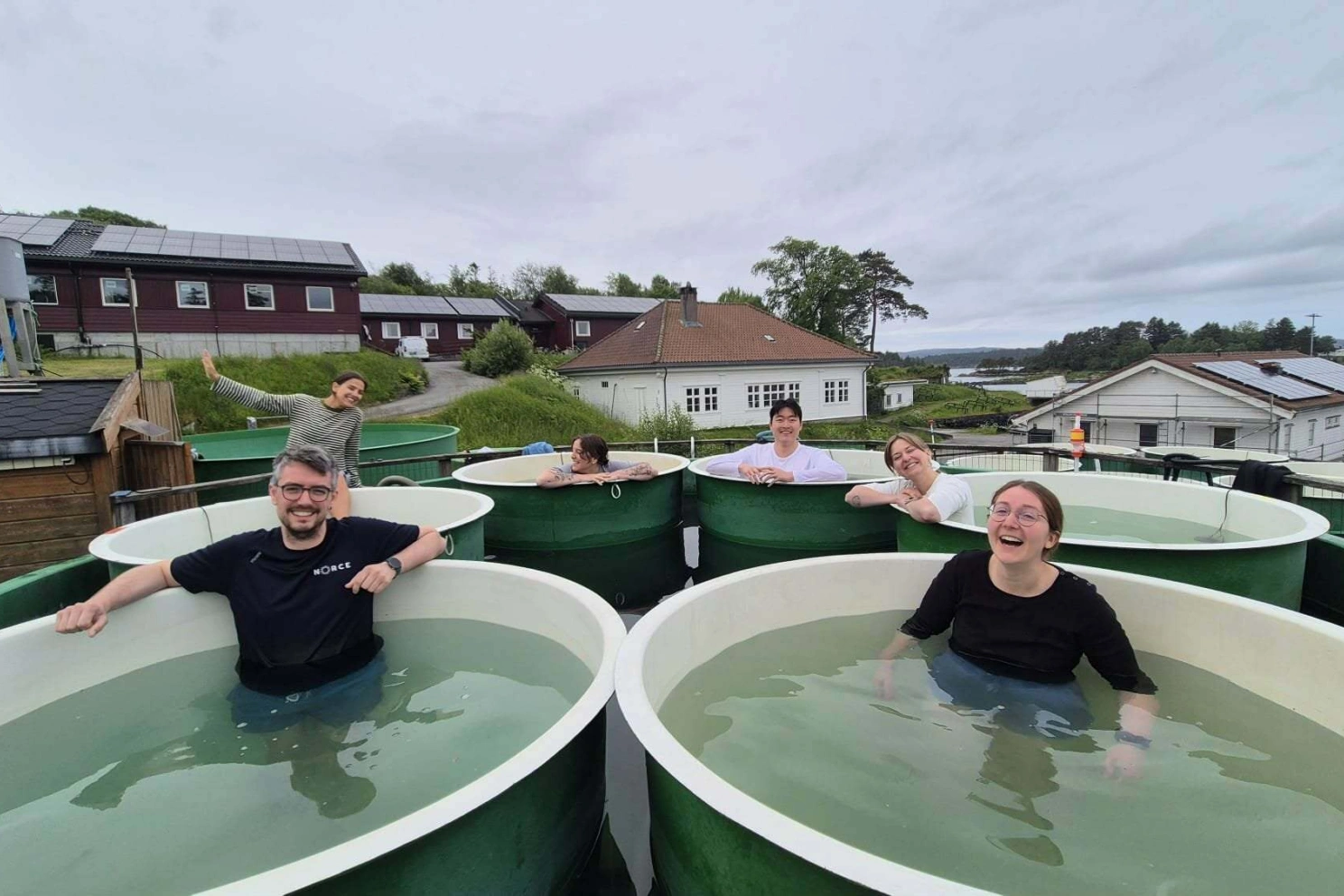
At the end of the experiment a couple of us got into the tanks to experience it for ourselves. We picked the warm ones 🙂 Photo: Kyle Mayers
A mesocosm experiment at the Marine Biological station in Bergen
"In May-June we conducted a mesocosm experiment to understand how climate change impacts marine microbes, how they interact with each other, and the influence this has on biogeochemical cycles. We filled twelve 2,500L tanks with fjord water, and exposed them to warmer temperatures (+3°C) and changing nitrogen conditions to see how a future Ocean might behave.
Over three weeks, we measured the tanks daily for different microbial groups and measured how fast they grew and died from predators or marine viruses. Our aim was to determine if grazing or infection would dominate in warmer, more nutrient starved waters. Although this remains to be answered, we collected >10,000 samples to help us, and to understand the diversity of microbes throughout the experiment.
The mesocosm was funded by the Norwegian Resarch Council project AEGIS, and was a collaboration between 20 scientists at 10 different research institutes."
- Kyle Mayers, Norce research & Bjerknes Centre
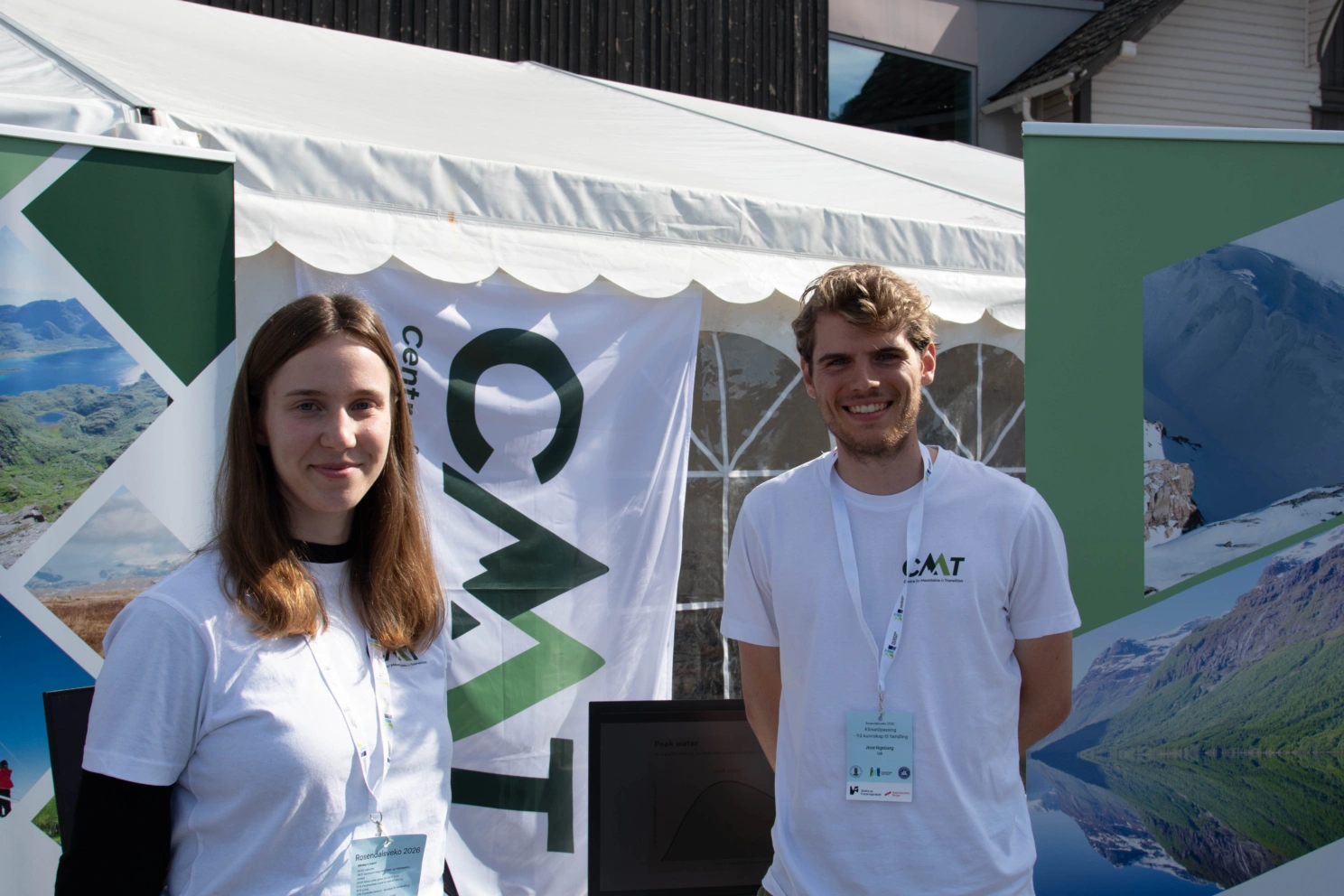
Representing CMT at Rosendalsveko. Photo: Frida Sollihagen Nilsen
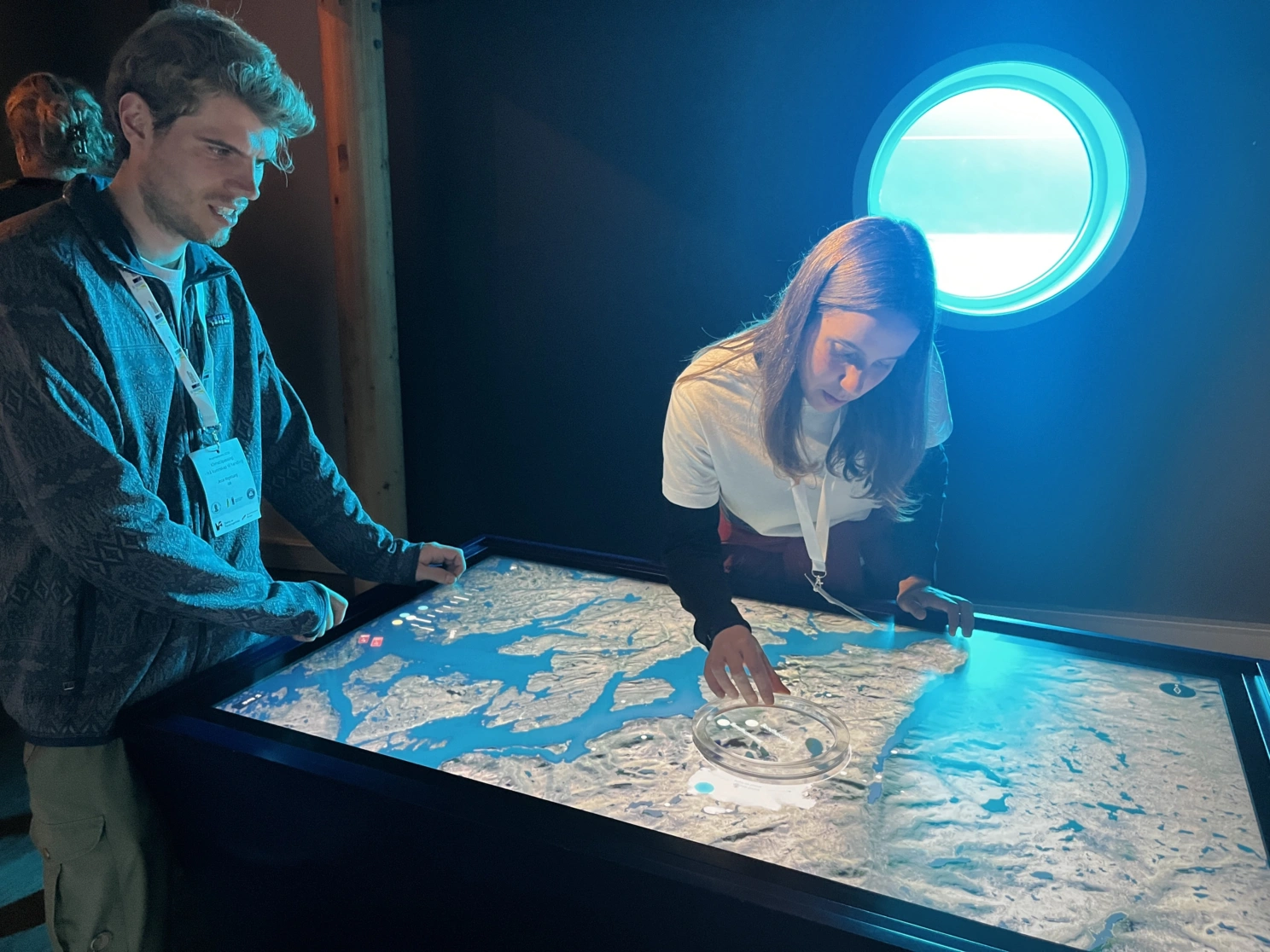
Photo: Frida Sollihagen Nilsen
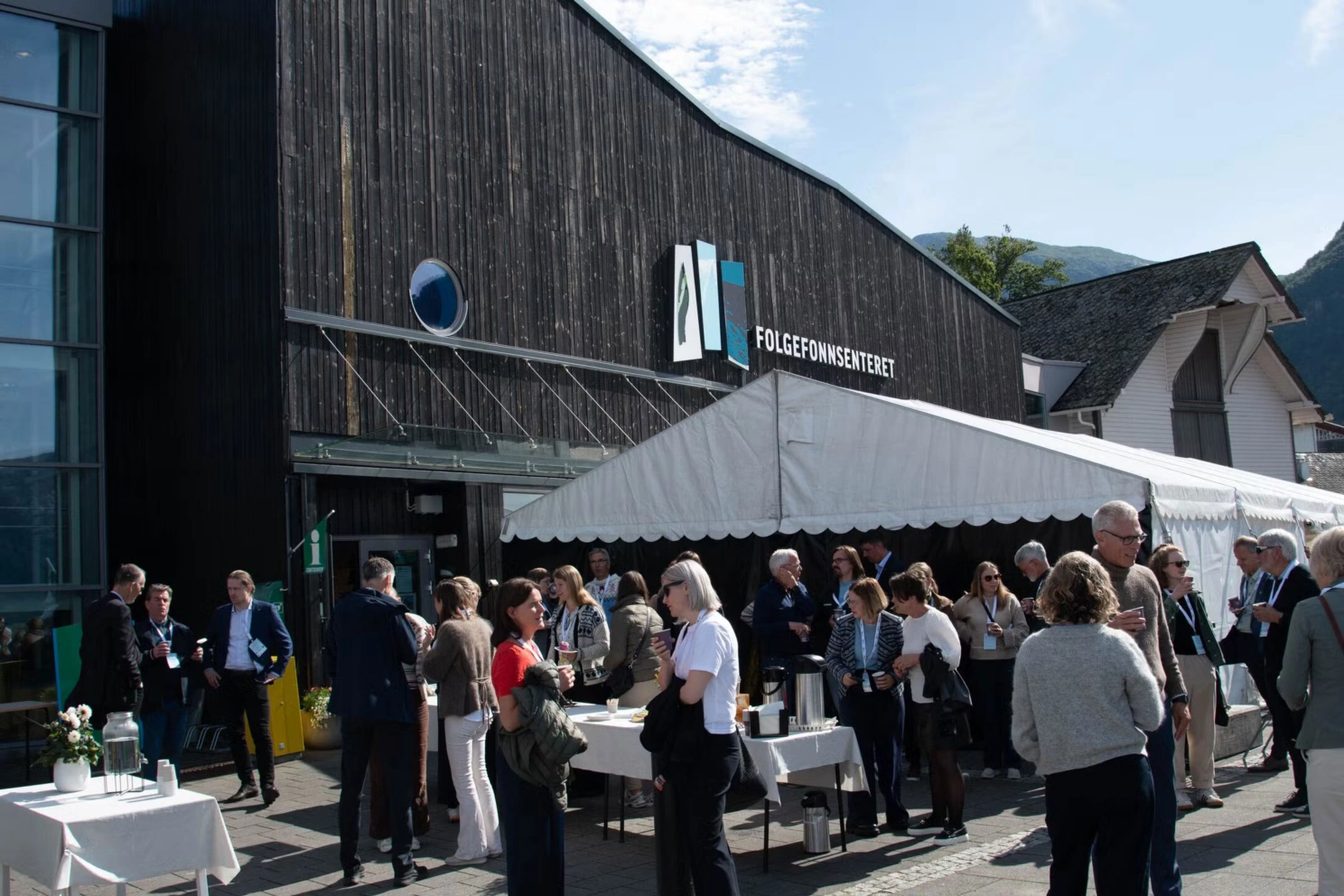
Photo: Frida Sollihagen Nilsen
PhD students at Rosendalsveko in August
"PhD students represented the Centre for Mountains in Transition (CMT) at Rosendalsveko early in August, a local conference that brings together politicians, scientists and organisations. The conference took place over 2 days, with the theme of climate adaptation.
There were great discussions on how we can develop infrastructure wisely during the current nature crisis in Norway, renewable energy supply, aquaculture, nature and weather. The goal of attending was to make new connections and learn about how their research fits into the local policy landscape.
Jesse, Ida, Fergus and Polina were thrilled to create high-level awareness of the centre at their showcase stand, sending the message that CMT is open for collaborations."
- Polina Sevastyanova
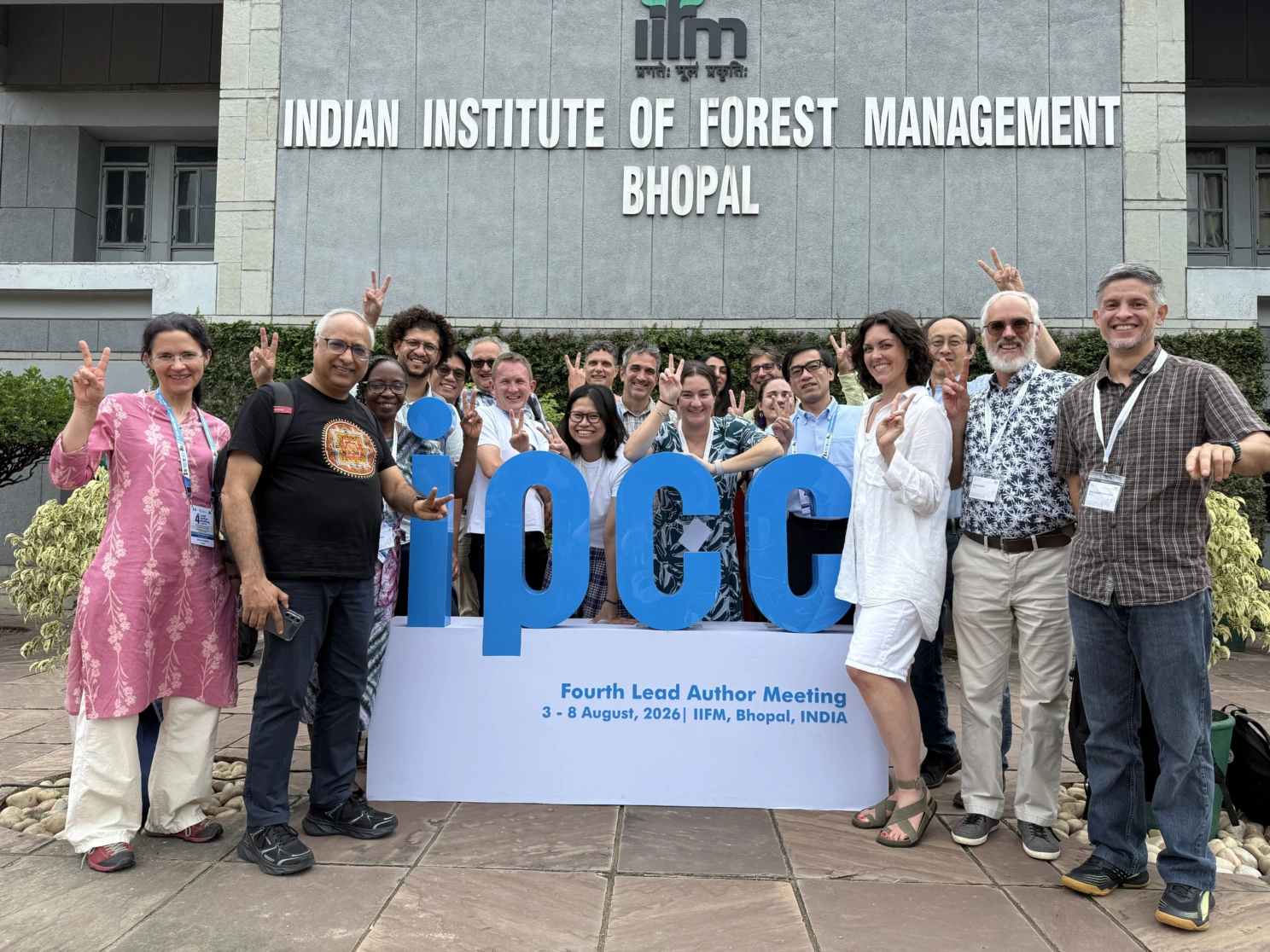
Lead Author Meeting of the IPCC Special Report on Climate Change and Cities
"The Fourth Lead Author Meeting of the IPCC Special Report on Climate Change and Cities ended Friday, 7 August. More than 100 scientists from 56 countries met in Bhopal, India, to prepare the final draft for governments to review before the Panel's plenary session next year, when they will consider approving the report's Summary for Policymakers and accepting the underlying report.
Stefan Sobolowski is a lead author on Chapter 2, Cities in a Changing Climate: Trends, Challenges and Opportunities. Affectionately termed by the Chapter 2 lead author team (pictured above) as the “bad news” chapter.
For more information see here: IPCC Special Report on Climate Change and Cities"
- Stefan Sobolowski
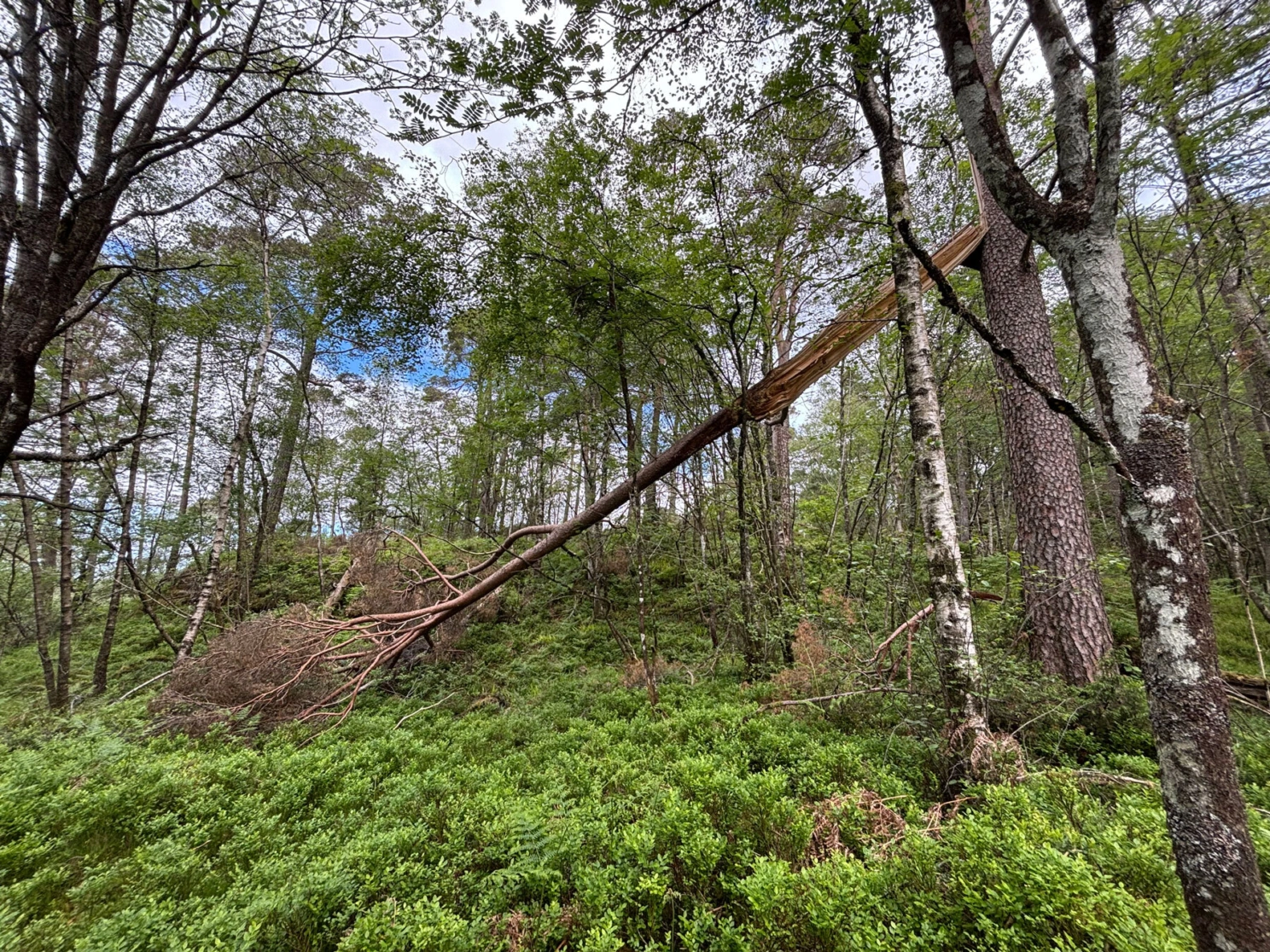
Photo: Hanif Kawousi
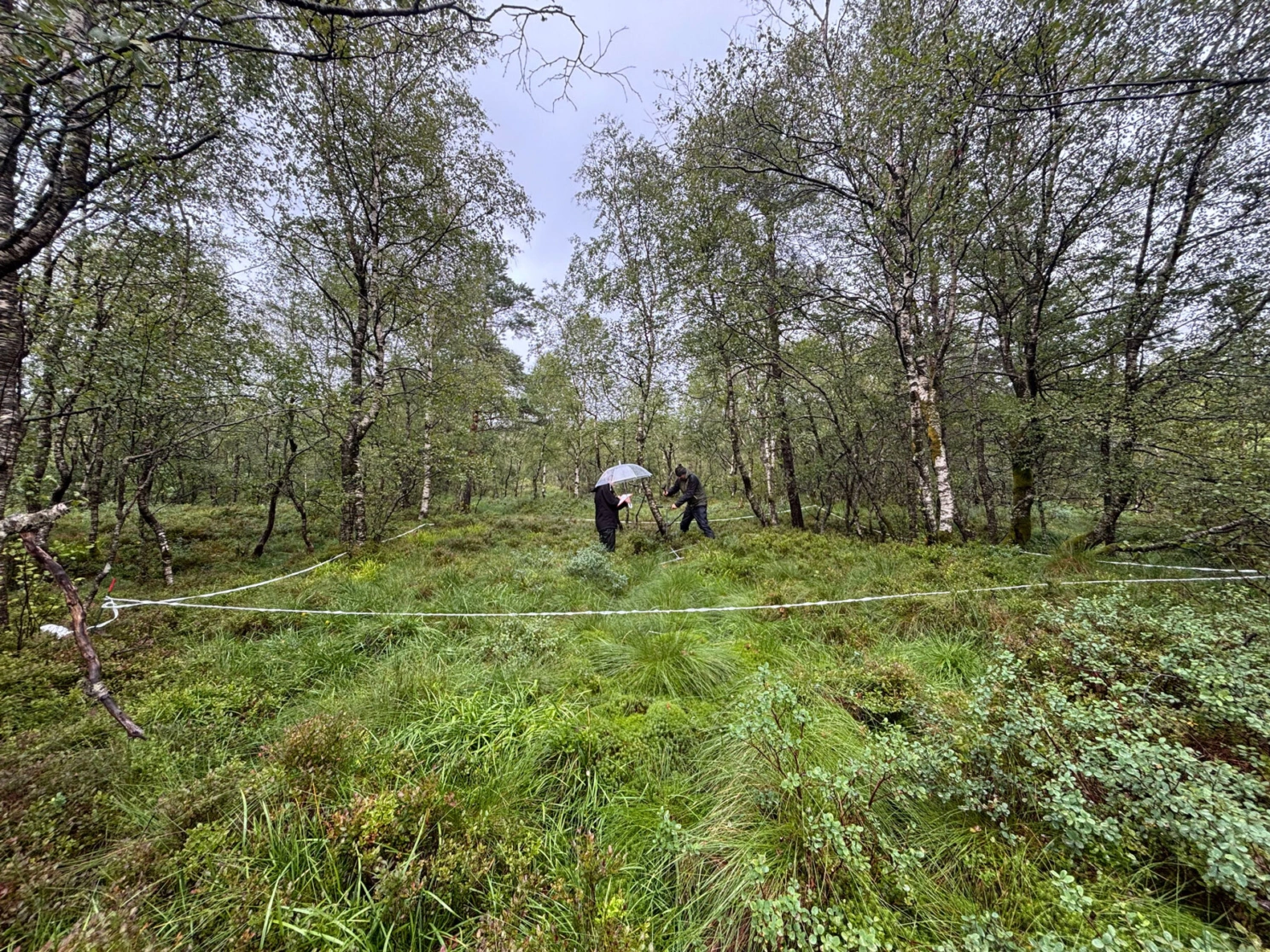
Photo: Hanif Kawousi
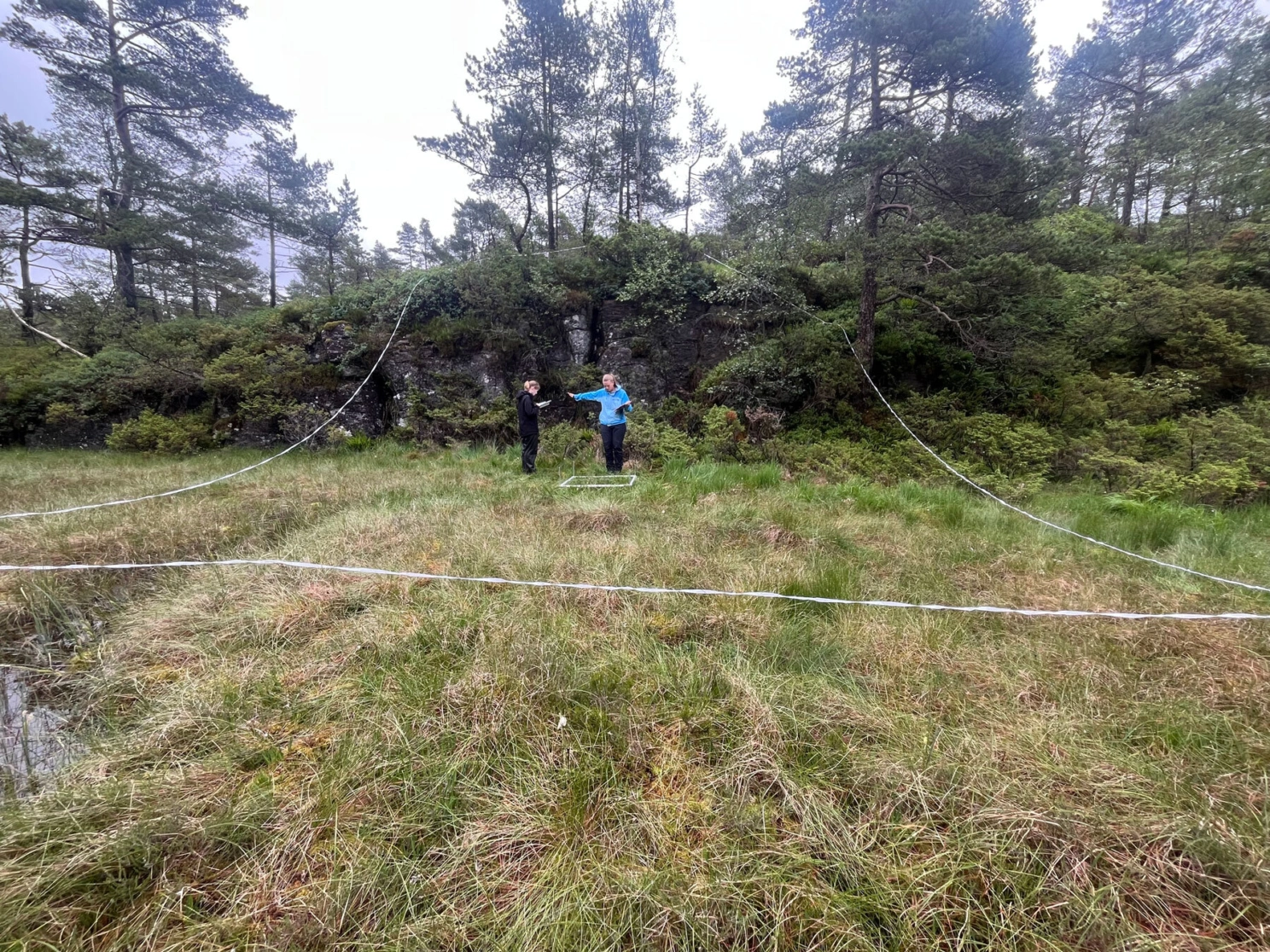
Photo: Hanif Kawousi
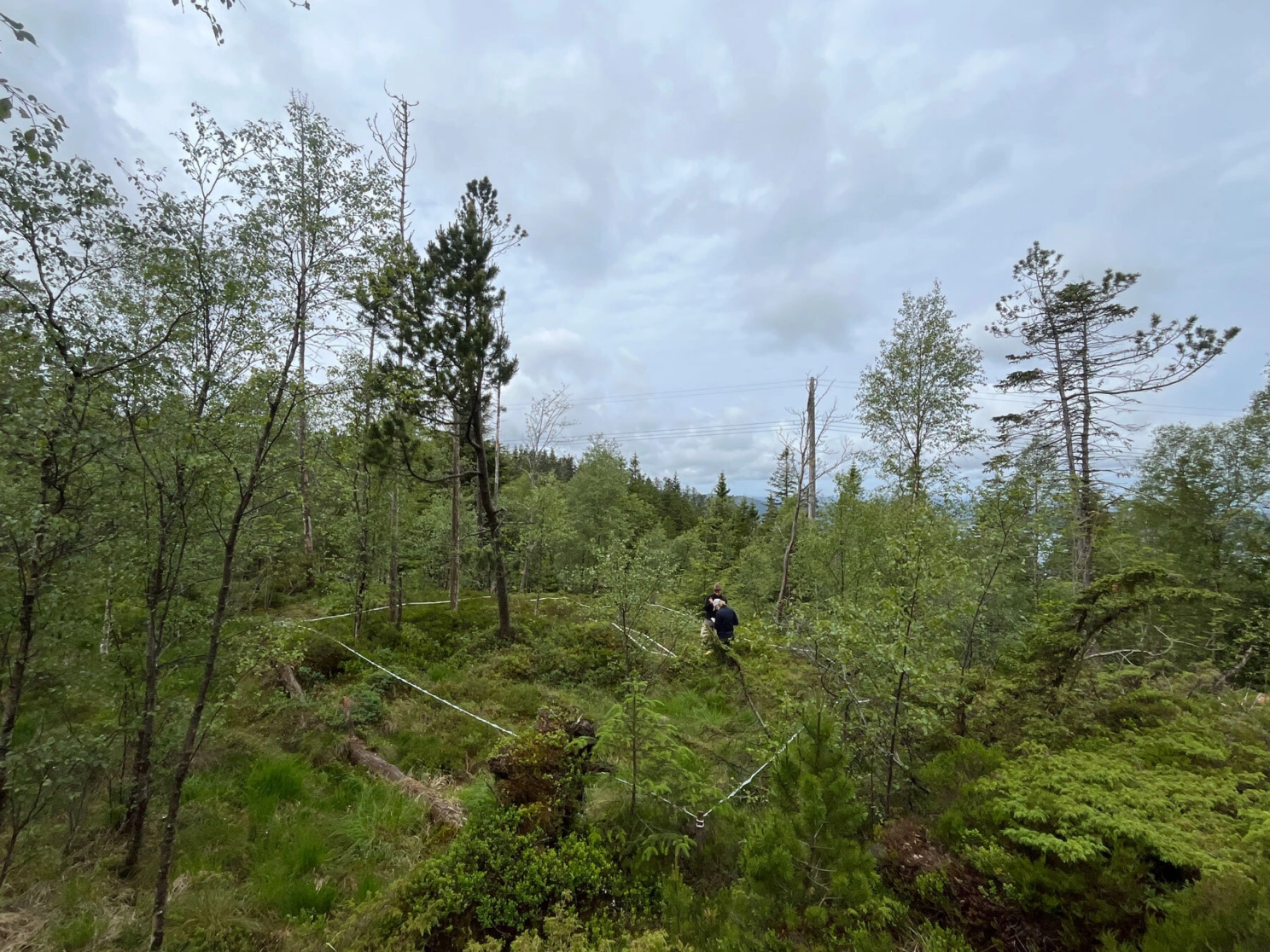
Photo: Hanif Kawousi
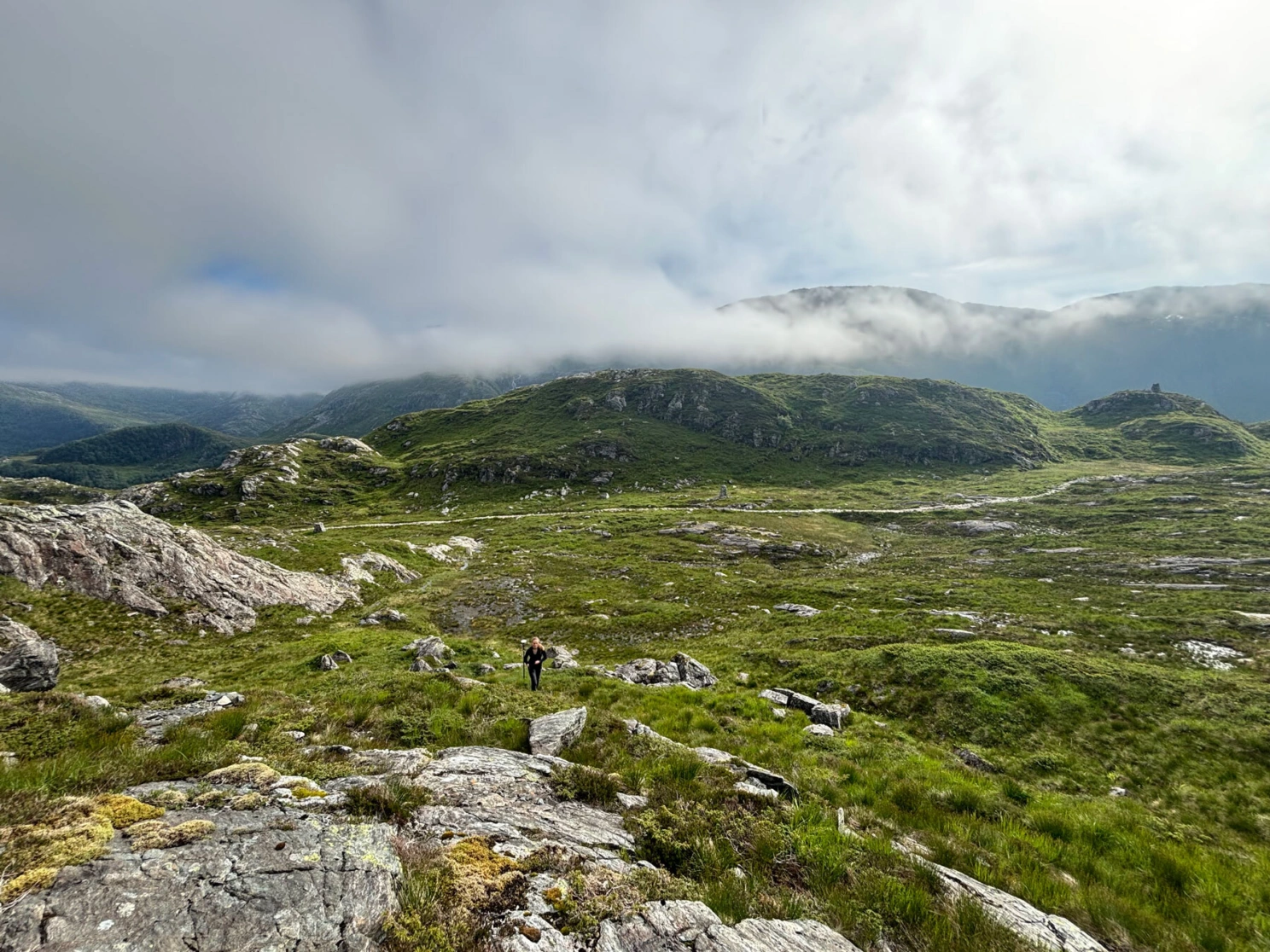
Photo: Hanif Kawousi
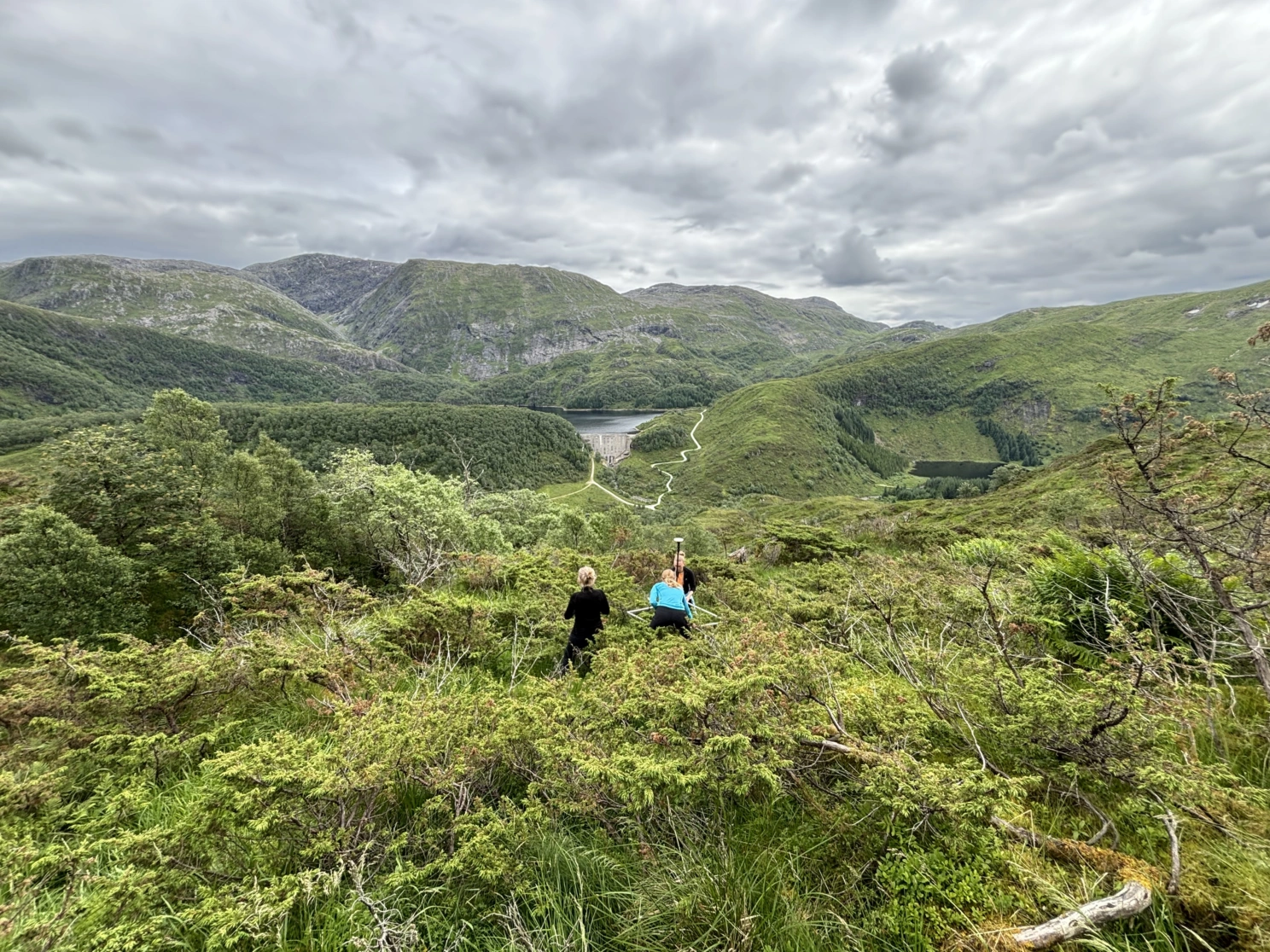
Photo: Hanif Kawousi
New Methods for Mapping Nature
"The photos above are from fieldwork carried out this summer and last summer as part of the ECOBUDGETS project. The project is developing new methods for mapping nature and land use, with the City of Bergen serving as the pilot municipality.
The aim is to establish a comprehensive land-use accounting system for both the municipality and the county authority."
- Hanif Kawousi