Increase in Marine Heatwaves Around Svalbard
Heatwaves in the waters around Svalbard are occurring more often and lasting longer. Today’s heatwave is quickly becoming tomorrow’s normality.
Publisert 09. July 2026
Written by Thea Svensson
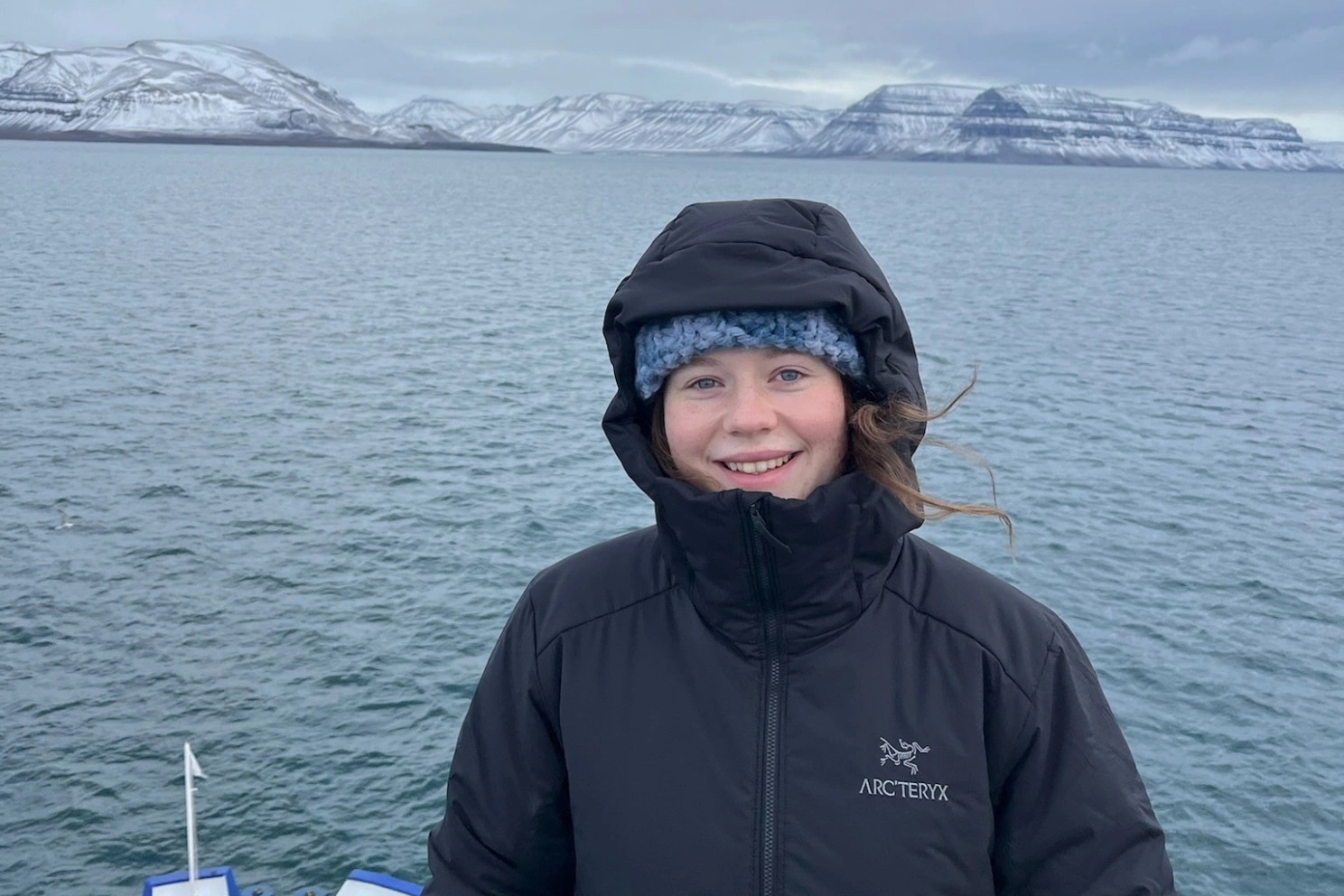
Photo by Marianne Williams-Kerslake in Svalbard. She is the lead author of the publication.
Marin hetebølge
Marin hetebølge er når den daglige overflatetemperaturen i havet er ekstrem i flere døgn.
Hva er ekstremt? 10 prosent av dataene er ekstreme (målt mot langtidsgjennomsnittet fra de siste 30 årene). 10 prosent av alle målinger er høyere enn 90-persentilen.
Over the past few decades, the Arctic Ocean has been experiencing more frequent and intense marine heatwaves – periods when ocean temperatures stay unusually high for days or even weeks.
Around the Svalbard Archipelago, marine heatwaves are especially common, with some areas experiencing more than three events each year.
Marianne Williams-Kerslake is a PhD-fellow with the Nansen Center and the Bjerknes Center for Climate Research. She is the main author of a new paper that looks into what causes this increase in heatwaves.
- We wanted to investigate where these heatwaves occur, how deep they extend, and what drives them, says Williams-Kerslake.
Satellite observations show that these events are lasting longer, covering larger areas, and happening more often than before, raising concerns about their impact on Arctic marine life and ecosystems.
More Events Every Year
Using the TOPAZ model, Williams-Kerslake and her colleagues studied how marine heatwaves around Svalbard have changed over time, both at the ocean surface and deeper in the water column.
By analysing data from 1991 to 2022, they found that marine heatwaves have become more frequent and last longer than before, with the most noticeable increase occurring during the past decade.
- In the first 20 years, we didn't see much change. And then in the last 10 years we saw this big increase, says Williams-Kerslake.
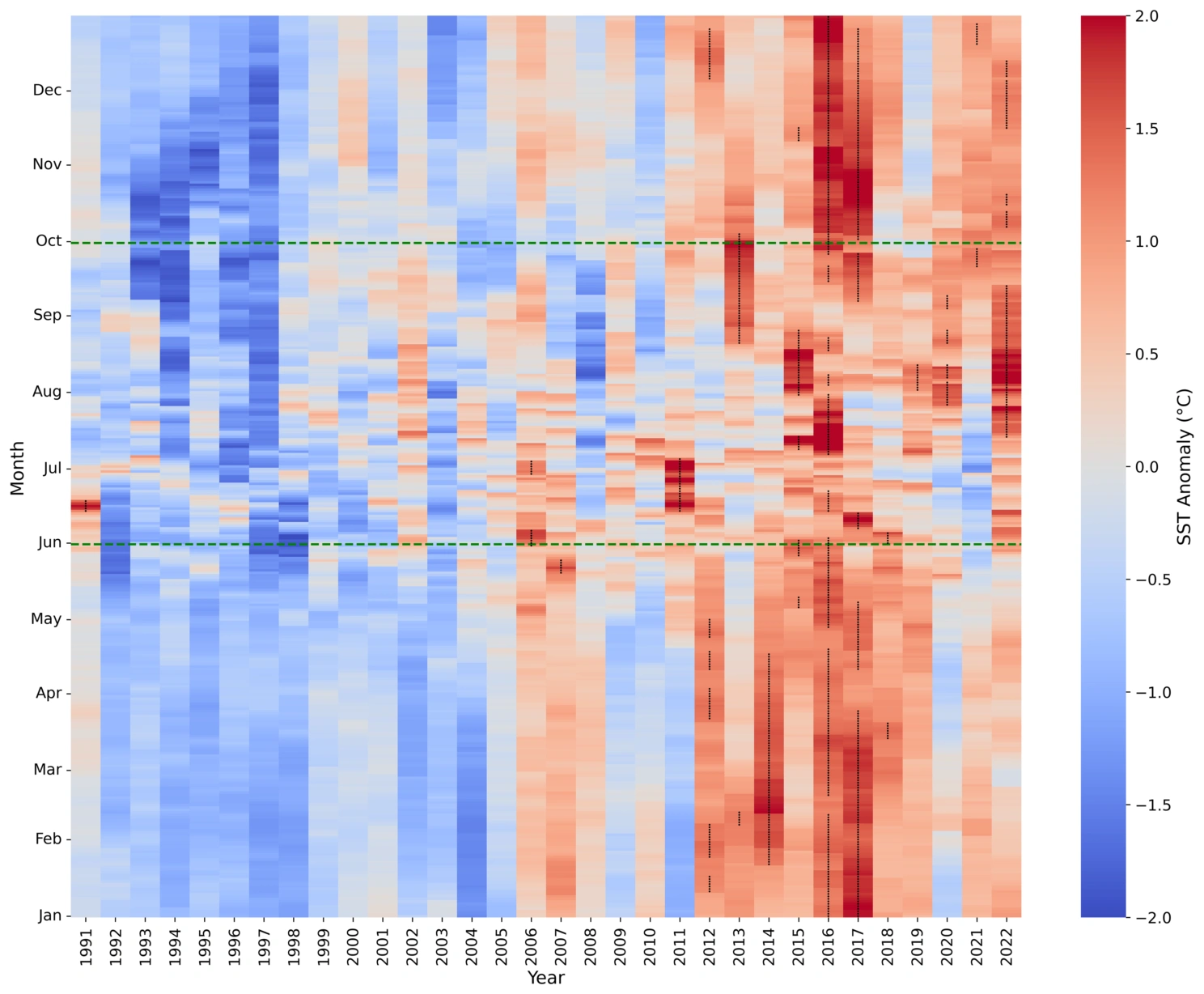
Daily average TOPAZ SST anomaly (°C) relative to the period 1991–2022 for Svalbard West (77–80° N, 5–15° E). Black dots represent when the SST exceeds the 90th percentile, indicating the presence of a MHW. The summer period used for the focus of this study is highlighted by the green dashed line. Williams-Kerslake, M., Langehaug, H. R., Skogseth, R., Nilsen, F., Samuelsen, A., Gonzalez, S., and Keenlyside, N.: Characterising marine heatwaves in the Svalbard Archipelago and surrounding seas, Ocean Sci., 22, 587–607, https://doi.org/10.5194/os-22-587-2026, 2026.
The figure above shows the sea surface temperature (SST) anomalies in the period 1991-2022 in the waters around western Svalbard. It shows a sharp increase in heatwaves after 2010.
- Earlier in the record, Svalbard experienced roughly two events per year, says Williams-Kerslake.
- But in the last decade, this increased to approximately three events per year, she explains.
The TOPAZ model covers the Arctic and North Atlantic. The model continuously incorporates real observations into its simulations, allowing it to provide a detailed picture of ocean conditions, including places and depths where direct measurements are not available.
Longer-Lasting Heatwaves
Not only are marine heatwaves occurring more often – they are also lasting longer, according to Williams-Kerslake.
- It's not just more frequent, they're longer as well. Average event duration increased from about 14 days to around 22 days, she says.
The researchers took a closer look at eight marine heatwaves that occurred during summer (June–September) west of Svalbard lasting more than 10 days.
They found that half of the events were relatively shallow, affecting only the upper 50 metres of the ocean, while the other half reached much deeper into the water column. On average, the heatwaves lasted nearly a month, and some spread beyond Svalbard into the Barents Sea.
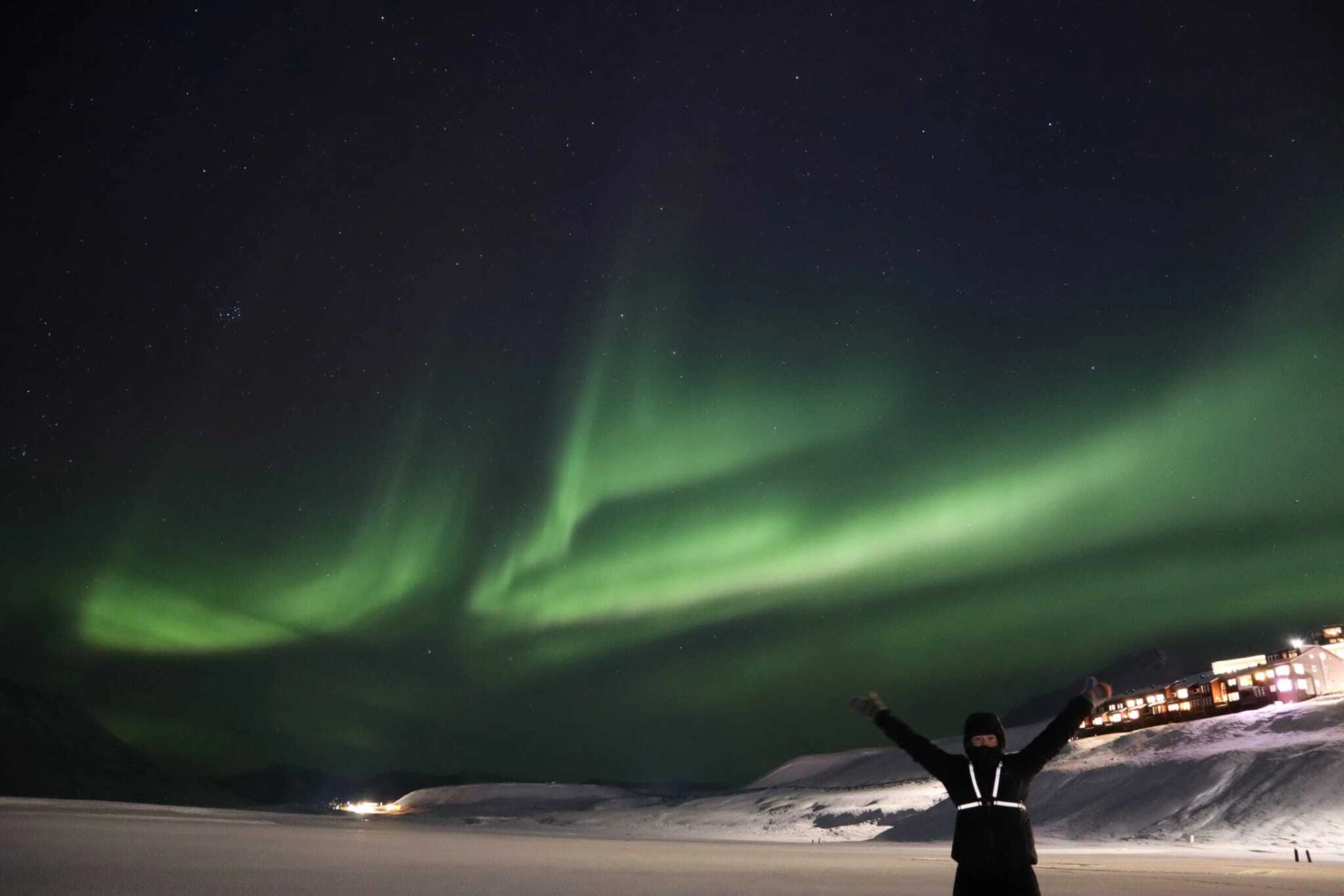
Foto: Marianne Williams-Kerslake på Svalbard.
What Causes These Marine Heatwaves?
There are two main potential causes of marine heatwaves – atmospheric heating from the sun or warm Atlantic water moving into the region. According to the study it is the latter that is causing the increase in marine heatwave events around Svalbard.
- Most of the events were driven more by warmer water moving in, says Williams-Kerslake.
While cold Arctic currents bring water from the north and east, Svalbard is also influenced by the West Spitsbergen Current, which carries relatively warm Atlantic water northwards along the west coast of the archipelago.
This warm water can reach several hundred metres below the surface before continuing into the Arctic Ocean, according to Williams-Kerslake.
During almost all of the heatwave events they studied, the amount of heat carried into the area by ocean currents was greater than the amount of heat added from the atmosphere.
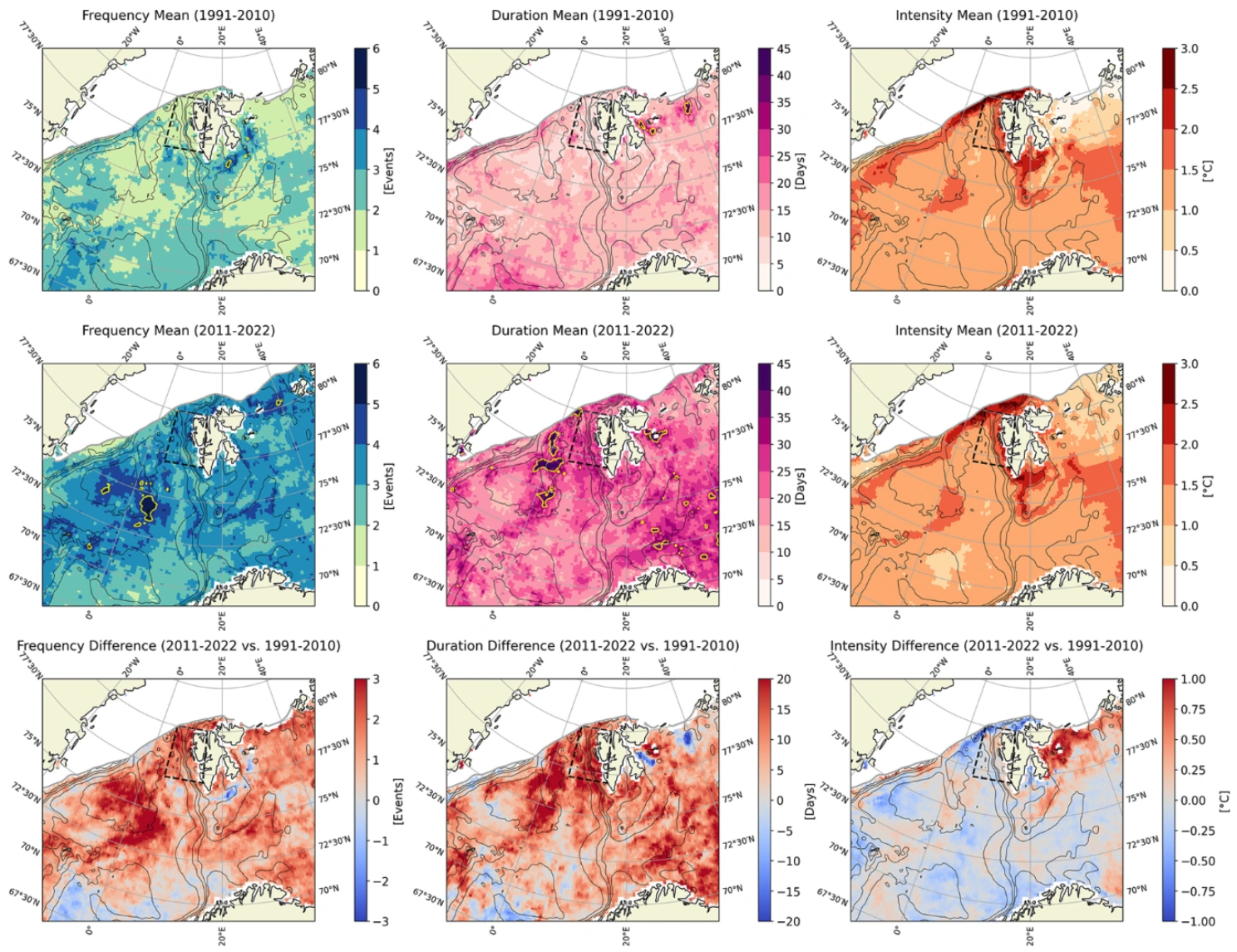
Surface mean MHW frequency (number of events), duration (days) and intensity (°C) for the period 1991–2010 and 2011–2022. The difference between the two periods is shown in the bottom panels. Mean TOPAZ September ice edge (sea ice concentration of 15 %) for each period is indicated by the grey line. The yellow isoline represents a frequency of 5 events and a duration of 35 d. Black lines represent TOPAZ bathymetry. Source: Williams-Kerslake, M., Langehaug, H. R., Skogseth, R., Nilsen, F., Samuelsen, A., Gonzalez, S., and Keenlyside, N.: Characterising marine heatwaves in the Svalbard Archipelago and surrounding seas, Ocean Sci., 22, 587–607, https://doi.org/10.5194/os-22-587-2026, 2026.
The Heat Gets Stuck
In every heatwave event, more warm water entered the study area from the south than left it through the north and west. This led to a buildup of heat in the ocean, raising water temperatures and helping marine heatwaves develop.
- There's an accumulation of heat, explains Williams-Kerslake.
- The warm water comes in and heats the area around it – so the heat kind of gets stuck, she says.
A Changing Baseline
Marine heatwaves are periods when the ocean becomes unusually warm and last for more than 5 days. The baseline is measured against a period of 30 years (1991-2022), and as the climate warms the baseline for marine heatwaves will also change.
- As oceans warm, defining marine heatwaves becomes increasingly challenging, says Williams-Kerslake.
This means that marine life and ecosystems must no longer adapt to temporary increases in temperature – but to a new and permanently warmer ocean.
- What once counted as an extreme event may eventually become the new normal, she concludes.
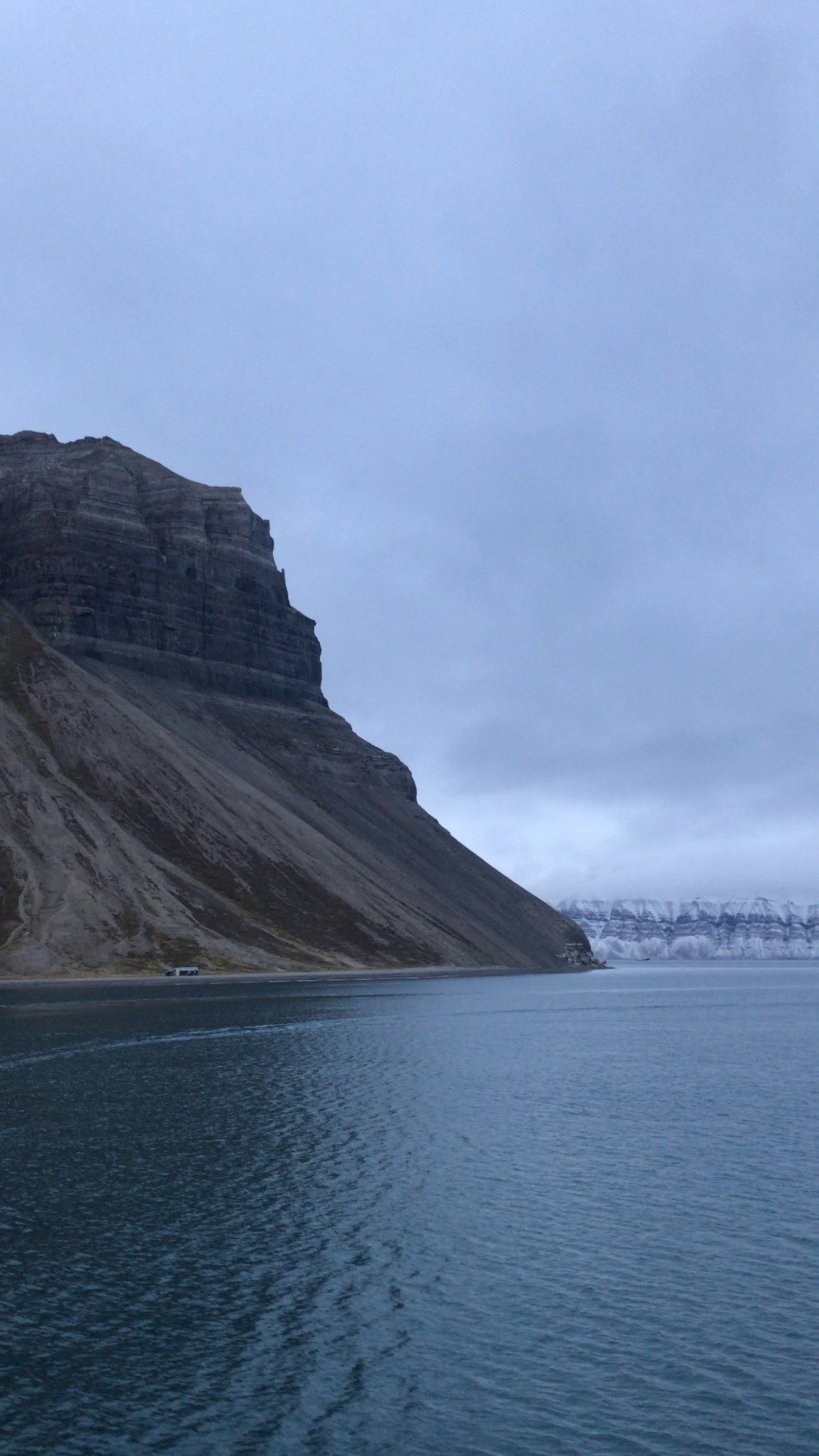
Svalbard - Photo by Marianne Williams-Kerslake
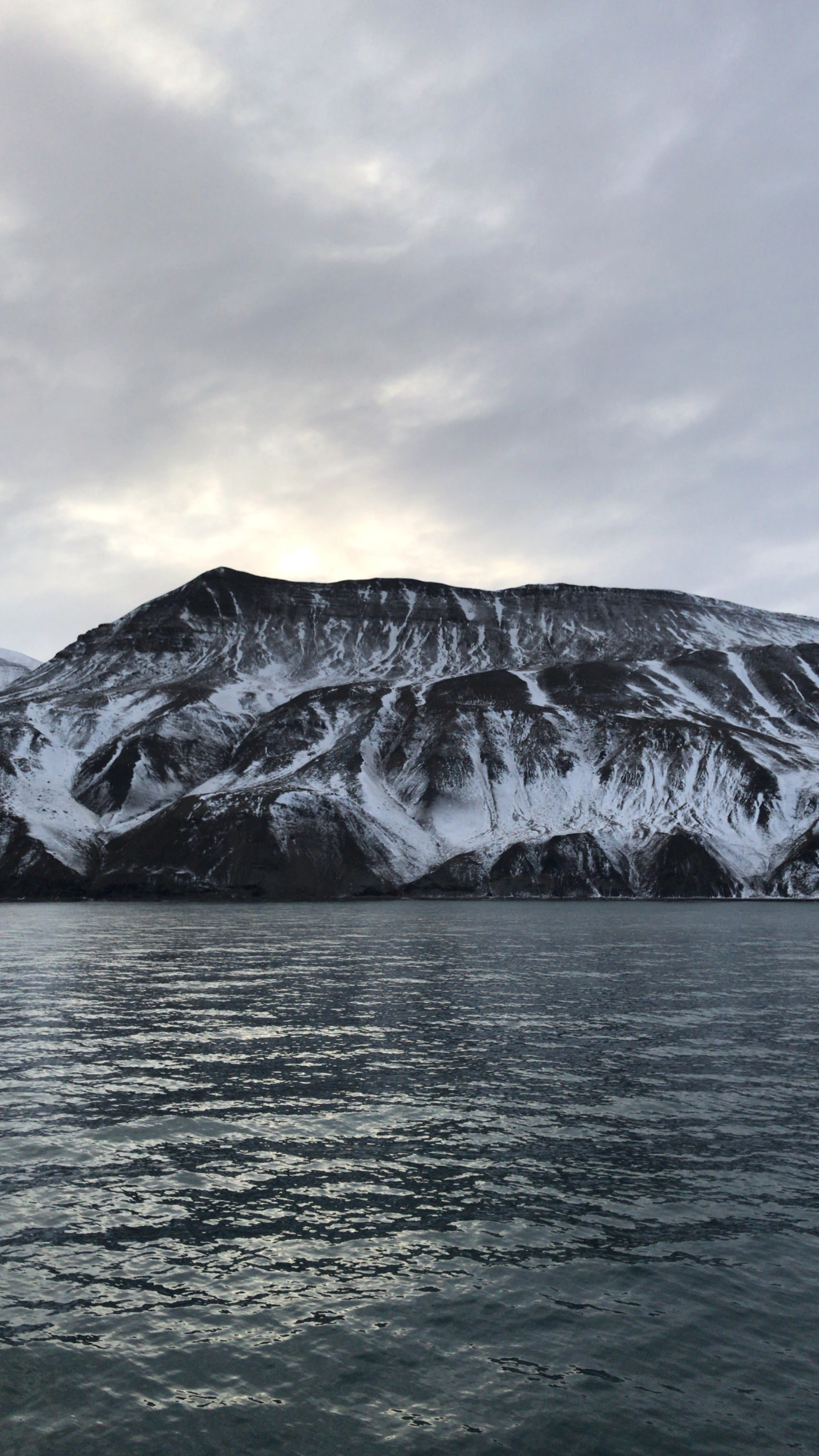
Svalbard - Photo by Marianne Williams-Kerslake
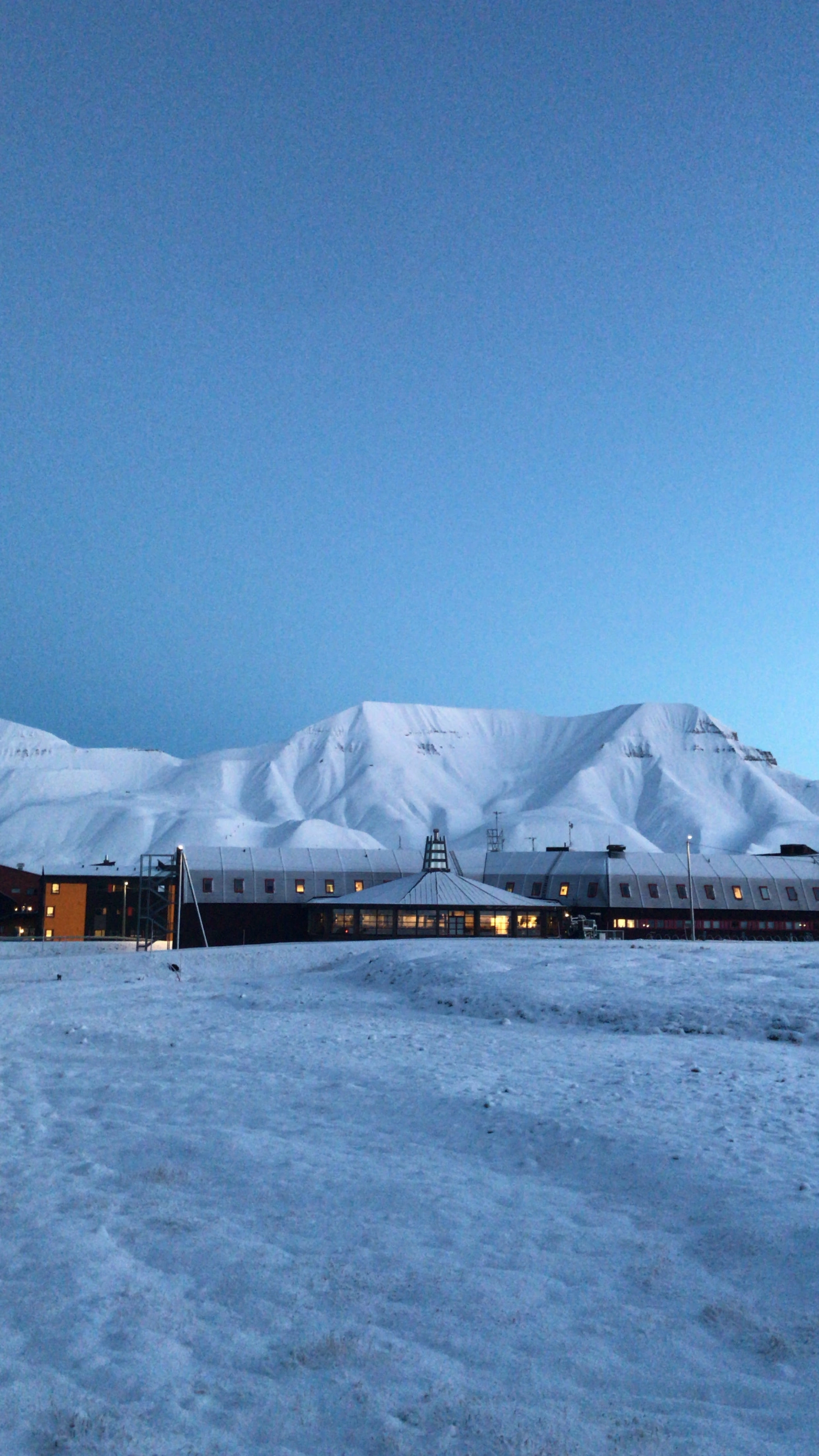
Svalbard - Photo by Marianne Williams-Kerslake
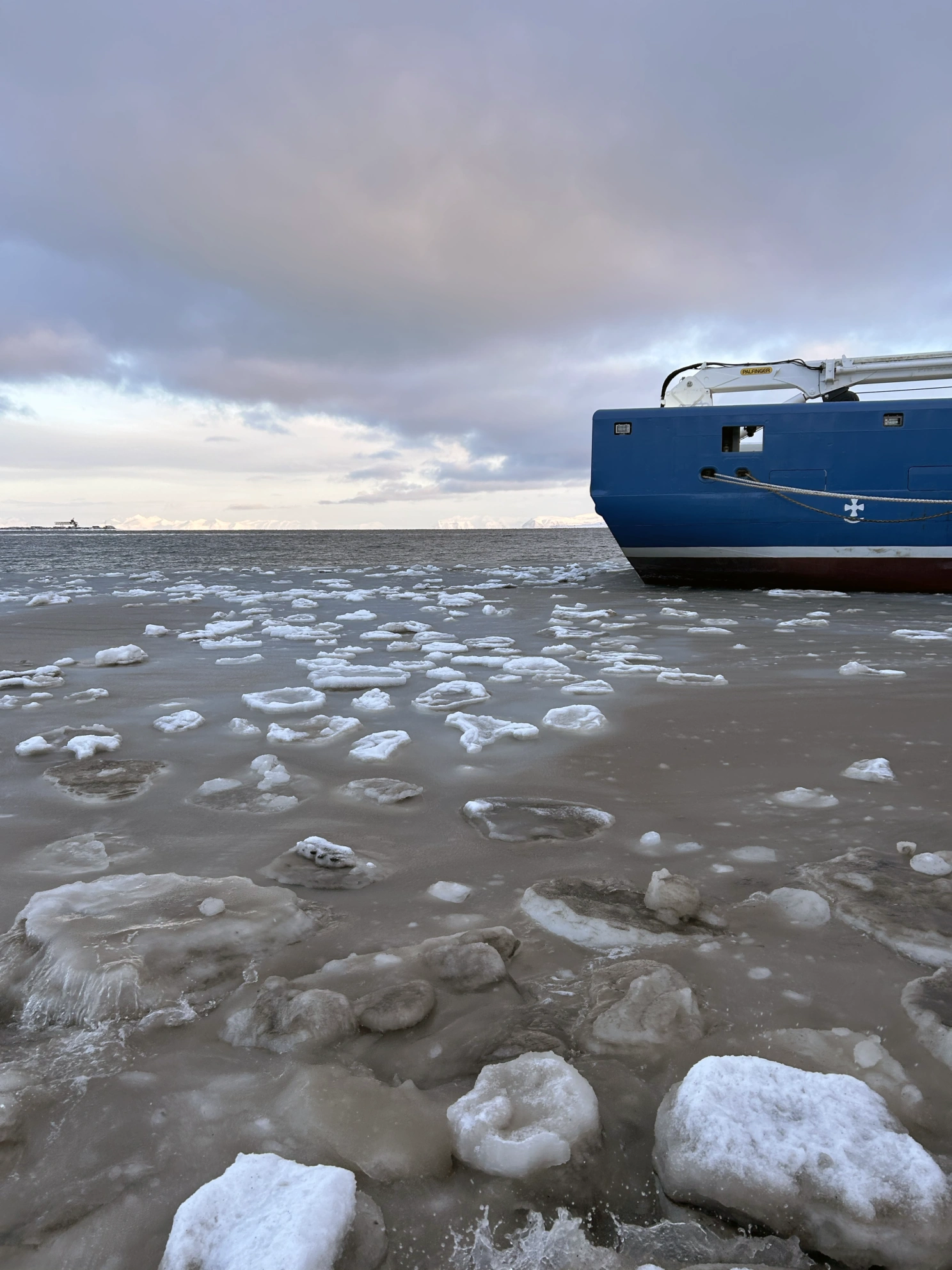
Svalbard - Photo by Marianne Williams-Kerslake
References
Characterising marine heatwaves in the Svalbard Archipelago and surrounding seas