Natalya Gallo: Experiences from COP
Natalya Gallo, senior researcher at NORCE and member of the BCCR Carbon and Hazards themes, was on the ground in Antalya, Türkiye, attending Week 1 of COP31.
Publisert
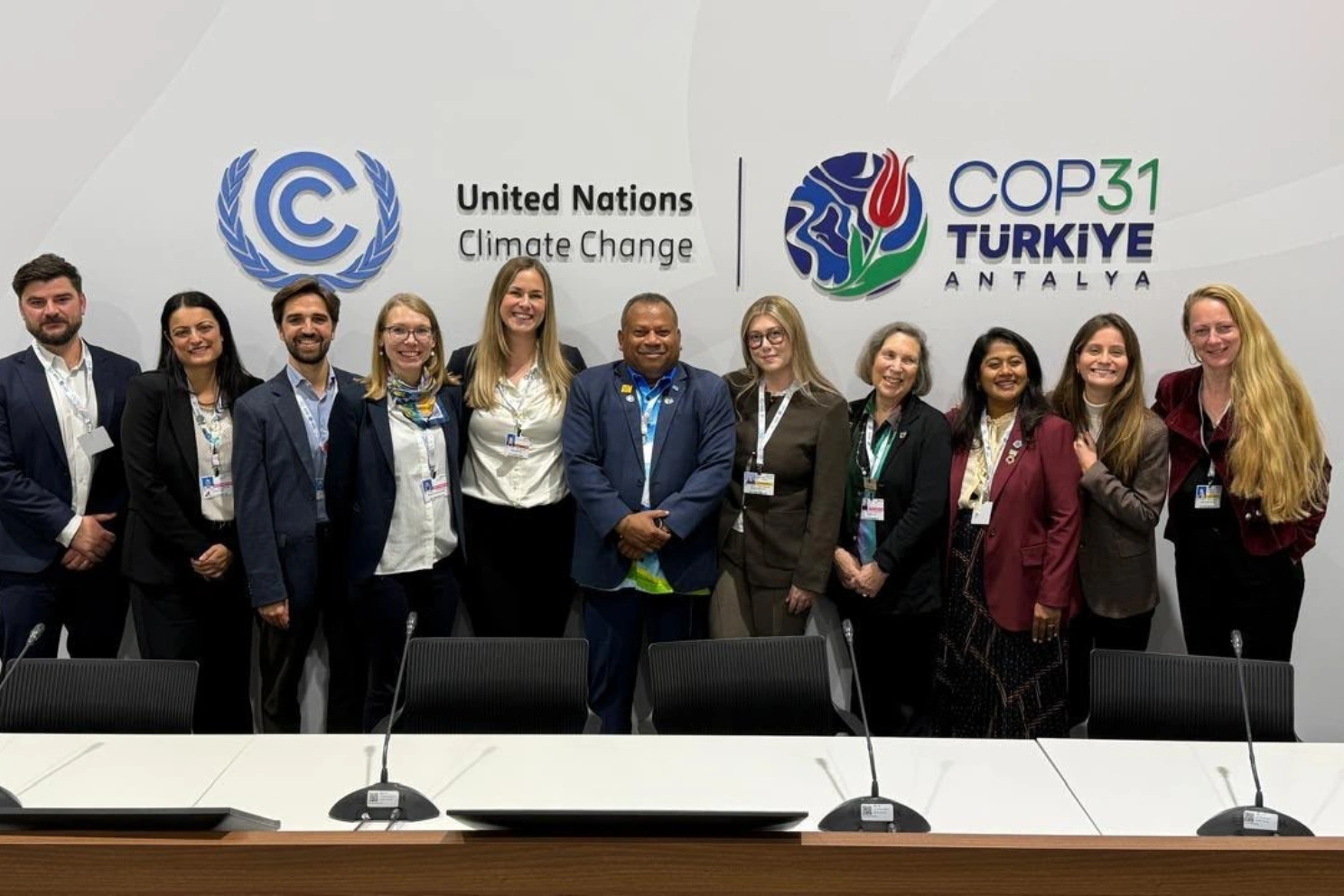
Photo: private
Written by: Natalya Gallo
I followed issues relating to the representation of ocean science and ocean-climate action in the negotiations, as well as how ocean observing systems and considerations of marine Carbon Dioxide Removal (mCDR) were appearing in the negotiations and broader COP discussions. I also led a policy brief for COP31 on the roles of marine biology in helping the ocean store carbon and contributed to a policy brief on how ocean action can facilitate synergies across the 3 Rio Conventions and the new BBNJ Agreement.
These were shared with delegates and observers during official side event presentations within the Blue Zone of COP31. My participation was supported through HEU OceanICU, which works to advance understanding of the role of the ocean in the global carbon cycle, and I attended COP31 as part of Norway Party Overflow to showcase key climate-relevant HEU projects that Norway is leading. Overall, it was a great week to make new connections and re-connect with ocean-climate colleagues from around the world including the Scripps Institution of Oceanography, the University of the South Pacific, the National Oceanographic Centre, IOC-UNESCO, and the Integrated Carbon Observing System.
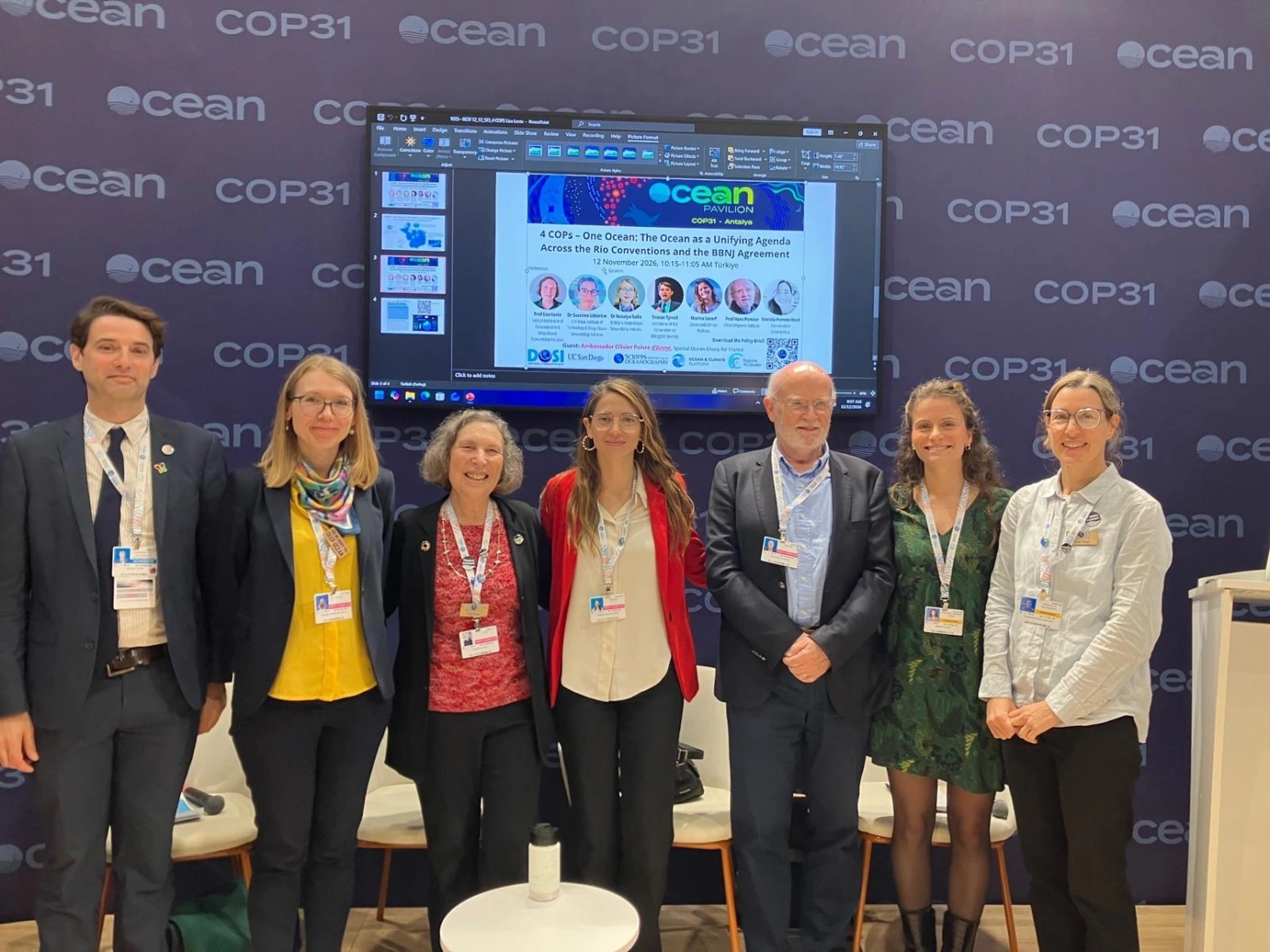
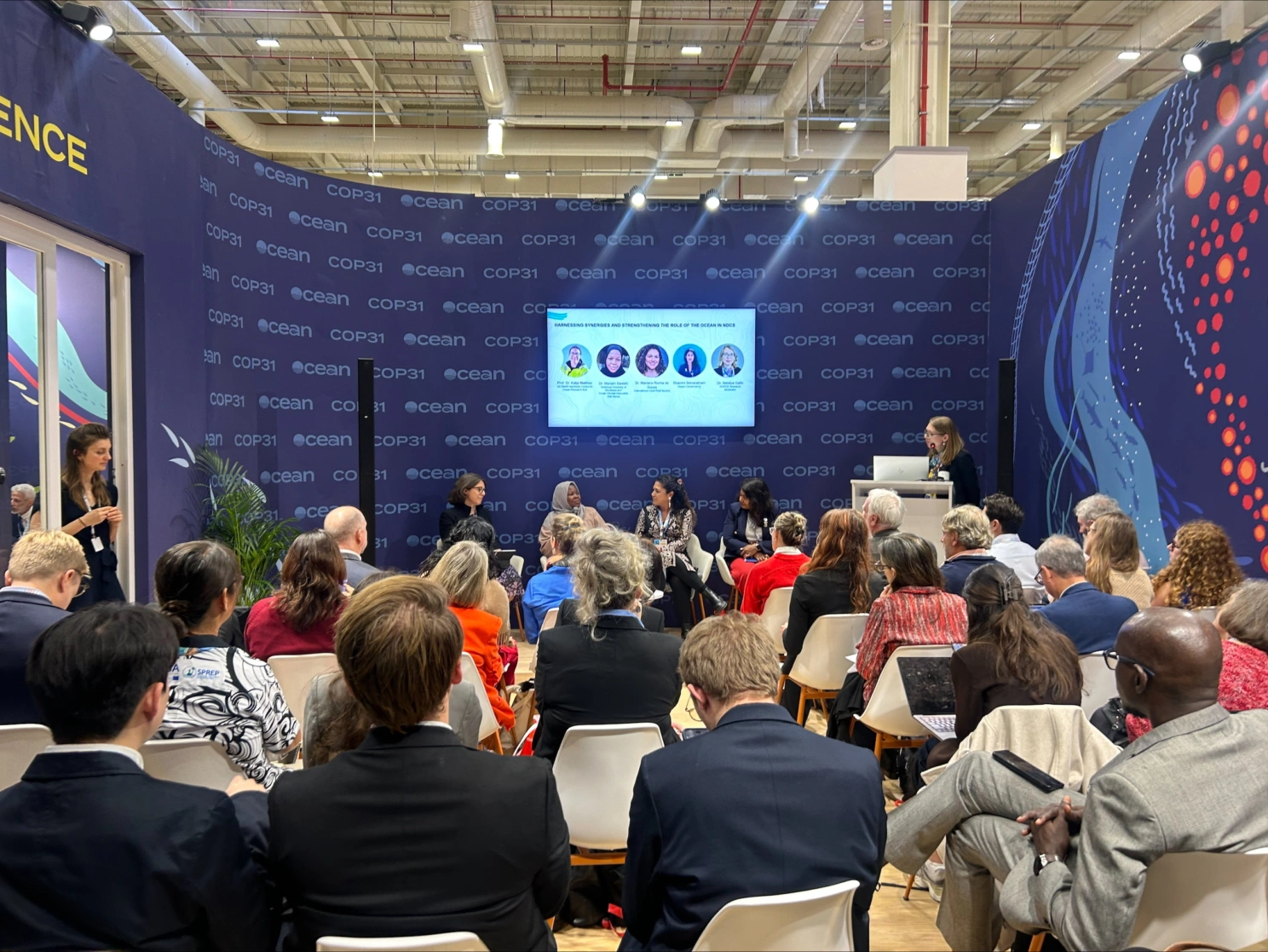
Natalya was leading a panel at a side event at COP
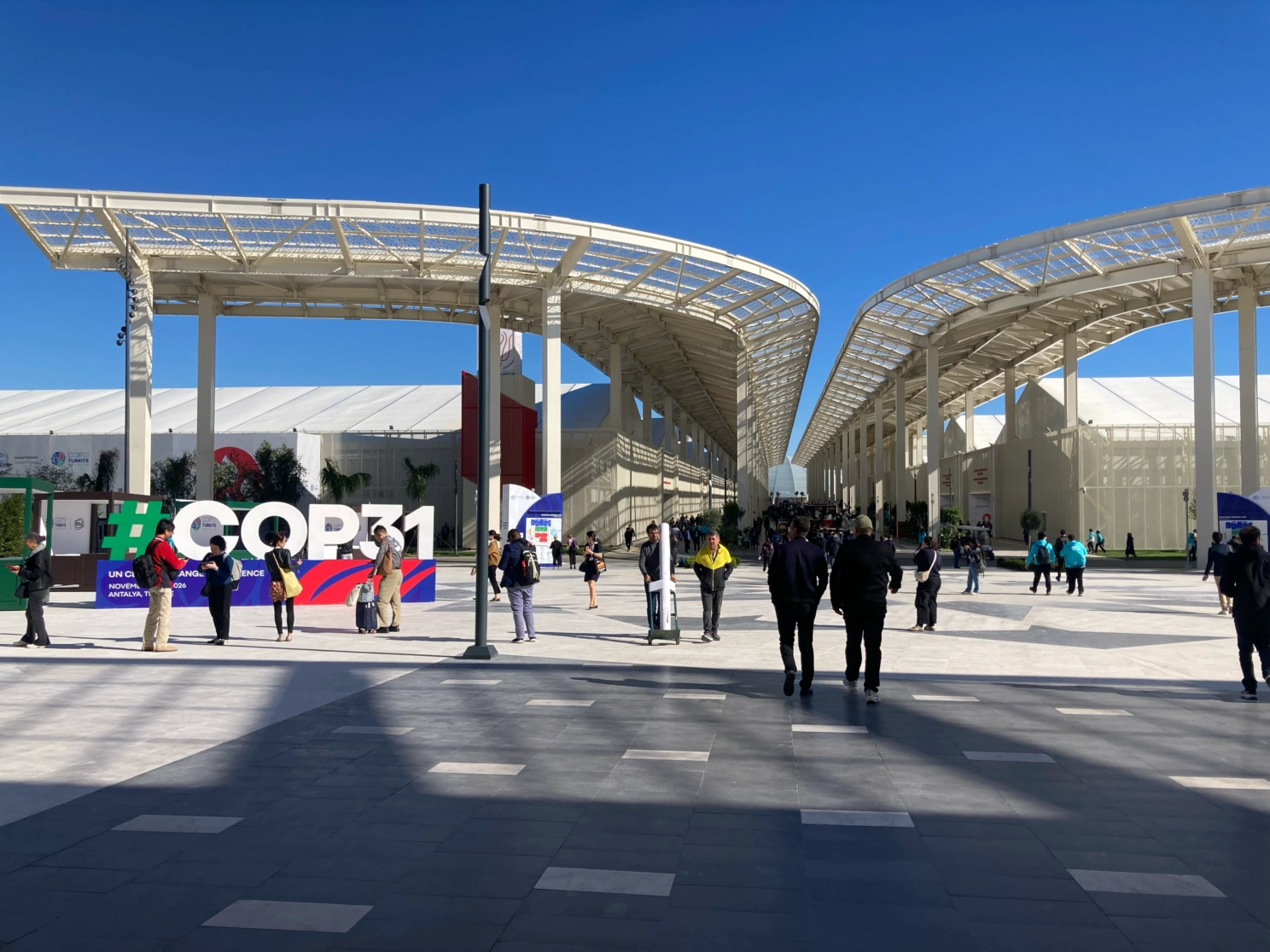
COP31 in Antalya
Here you can read my full reflections from Week 1.
COP31 is set to conclude today (Friday November 20), but COPs almost always run over, and this one will be no exception. While I left Week 1 with optimism, multiple conflict areas were showing, and these have become more pronounced during Week 2. Many colleagues who are at COP31 today are quite disappointed, due to lack of progress on key financial commitments which leaves small island and developing countries who have minor contributions to but sustain major impacts from climate change unable to implement their mitigation and adaptation plans or respond to climate disasters. Certain Parties are also blocking recognition of the need to transition away from fossil fuels in the cover decision text (i.e. one of the main outcomes from COP31).
It still looks like it will be an important COP for inclusion of the ocean in the UNFCCC process, but positive ocean action should not be a greenwashing band aid for a COP that does not deliver on actual climate progress. The strongly worded letter from Panama to the COP31 presidency is worth reading. Let’s see how things evolve in the final hours/days of COP31. Note that the closing plenary will be webcast and available for everyone to watch on the UNFCCC website.