A brighter future may not suit everyone
As Arctic sea ice surrenders to open water, the polar buffet expands. For polar fish the times may still be lean. Serving hours fall out of sync with their appetite.
Publisert 03. March 2026
Written by Ellen Viste
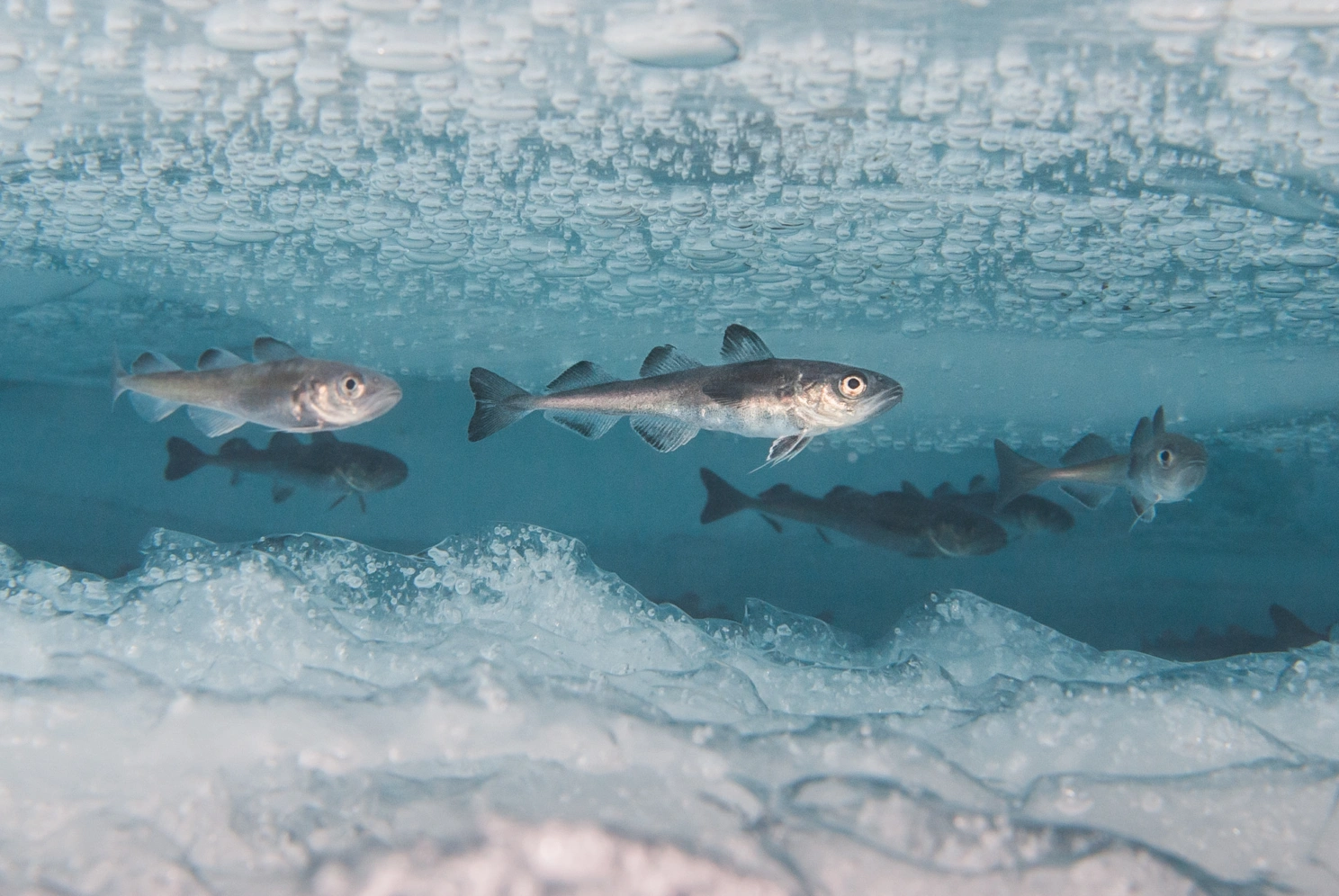
How far can a fish gaze? A few centimeters or many meters? The bigger you are, the longer you see, but the risk of being seen and ending in someone's stomach also increases. Rafted ice creates perfect hiding places for polar cod. Photo: © Peter Leopold
Under the Arctic sea ice, fish and plankton live in complete darkness, even in midsummer. Ice floes stop the sun's rays, especially if they are covered by snow. As the ocean heats up, the sea ice thaws, and new regions are exposed.
A newly published study warns that climate change will create trouble for cold water fish species in this century. Paired with higher temperatures, changes in the light conditions will make less food accessible when the fish need it the most.
After 2060 the polar cod may have difficulties finding suitable living spaces in the Barents Sea as well as in the northern parts of the Bering and Chukchi Seas. Other species will find untouched food trays in regions they have so far not grazed in.
Light governs growth, and as often in nature, it is a question of a simple balance: to see and be seen, to eat or be eaten.
Bigger food trays as the ice disappears
"The cards are being dealt again," says Øystein Varpe.
Varpe is a professor of marine ecology at the Bjerknes Centre and the Department of Biological Sciences at the University of Bergen. His research is concerned with how variations in light affect life in the ocean, from day to night, from summer to winter and when the climate changes.
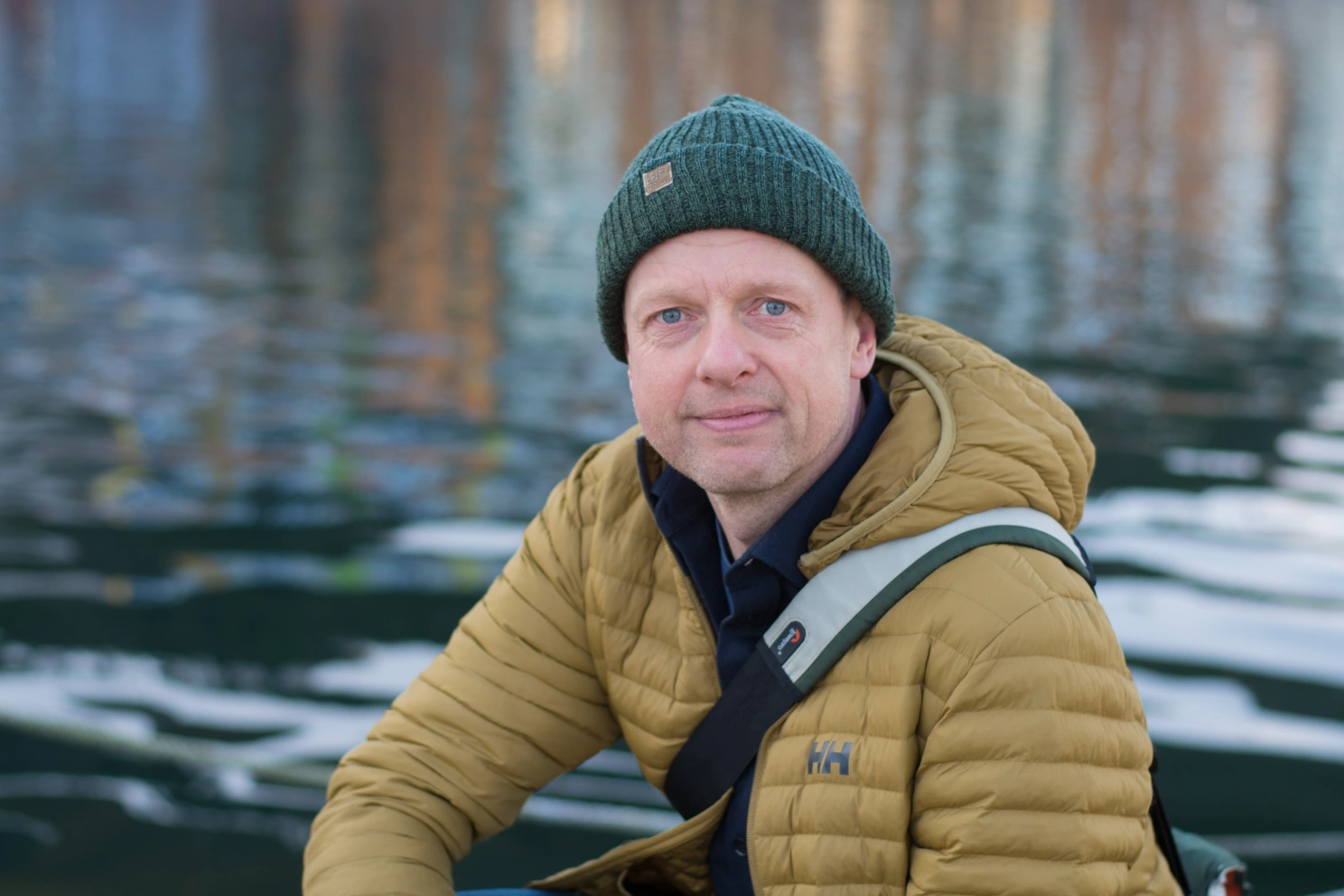
Øystein Varpe studies how variations in light influence life in the ocean. Photo: Ellen Viste
In the new study, led by Trond Kristiansen at the Fallaron Institute in California, Kristiansen, Varpe and colleagues have considered the future of fish in a warmer ocean with less sea ice in the Arctic.
The scientists have used climate models to simulate how decreasing sea ice will influence the availability of light in the northern parts of the Bering, Chukchi and Barents Seas.
Historically these regions have been covered by sea ice well into the summer, like the end of June, when the sun is at its highest. When the ice disappears, the sun reaches far down into the ocean, all day and all night.
The model simulations indicate that the amount of light will be 75 to 160 percent higher by the year 2100 compared to the period 1980–2000.
Under the ice, fish and other creatures have lived in a sheltering darkness. Now there is light. For some this increases the risk of being eaten, for others the chance of finding something to eat.
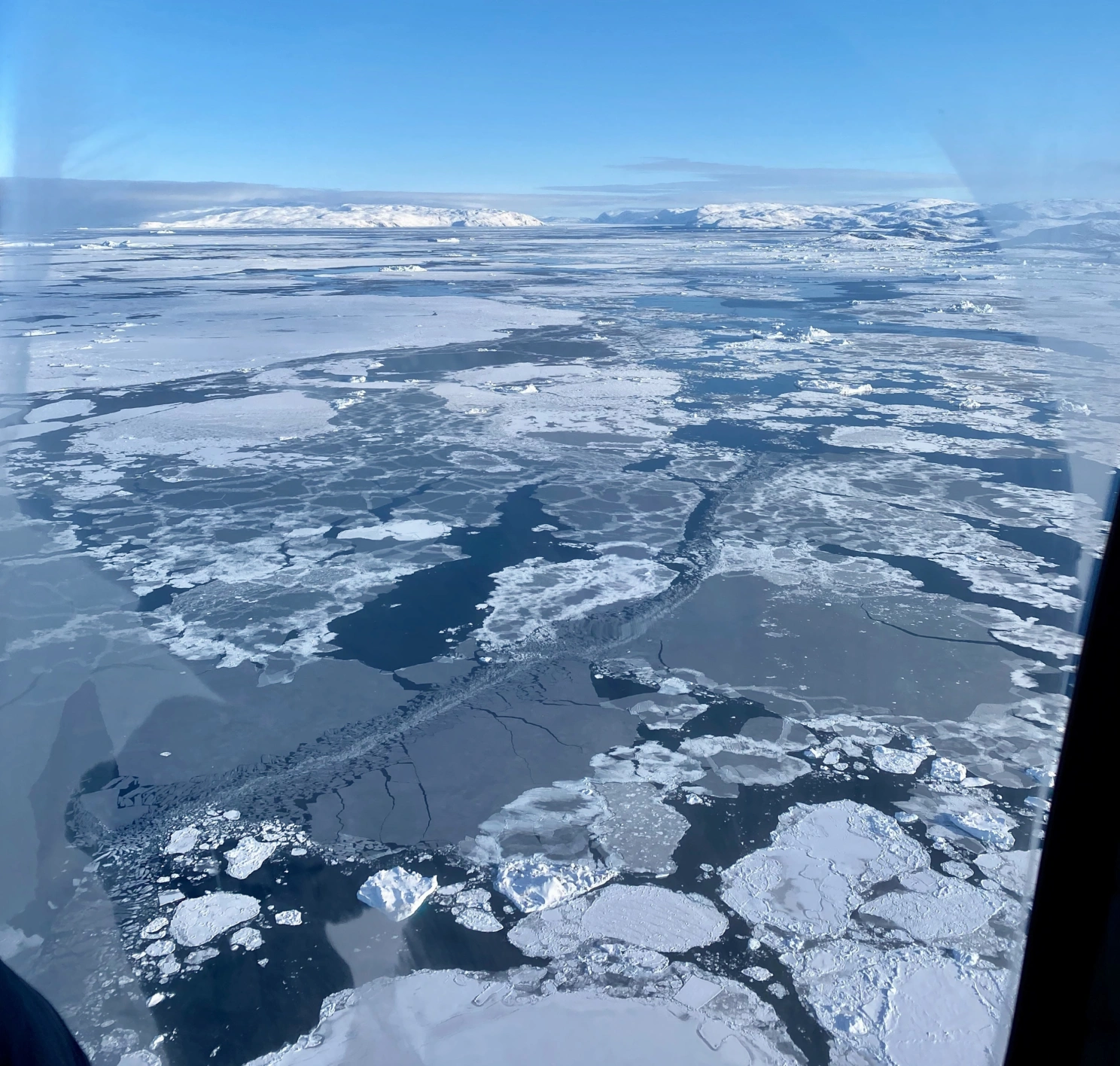
Ice and snow are natural reflectors. Dark areas of open water show that the sea absorbs more of the radiation from the sun than the white snow does. When the ice disappears, marine organisms will experience more light, including here in Disko Bay at the west coast of Greenland. Photo: Øystein Varpe
Feasts fit for lords are served at the wrong time
The spring bloom is the plants' annual gala performance, in the ocean as on land. Light returns after winter and sets off an explosion in growth, propagating through the food chain: Phytoplankton are eaten by zooplankton, which are eaten by small fish, which are eaten by bigger fish, which are eaten by even bigger fish or seals.
What happens when the light is switched on earlier than it used to?
During winter a fish like the polar cod may rest and just wait for the spring to come with food. It hardly grazes, has antifreeze chemicals in its blood and can endure long, dark winters as long as they are cold enough.
When the temperature of the water increases, the metabolism of fish increases, explains Trond Kristiansen, who replies by email.

Led by Trond Kristiansen the researchers have also looked into how ultraviolet (UV) radiation, will penetrate into the sea when the ice no longer acts as a shield. UV radiation has shorter wavelengths than visible light and is associated with both sunburns and the vital production of vitamin D in humans. With the ice gone, UV radiation may harm fish eggs. Polar cod spawn under the ice, leaving their eggs right there. Photo: Private
Because its machinery runs faster in warmer water, the fish requires more energy. Meanwhile the serving hours are shifted. When the winter ice thaws earlier, the spring bloom also comes earlier. In summer, when the fish needs most food, there will be less to find.
Trond Kristiansen is particularly worried about the fish's access to food in July and August, when temperatures rise drastically and the availability of food decreases. In the Barents Sea it will be much harder for a polar cod to survive the first year after hatching. Fewer fish will gain enough weight to make it through the following winter.
Kristiansen emphasizes that the development will vary from region to region. The polar cod in the Barents Sea is particularly vulnerable, while smaller changes are expected in the Chukchi Sea.
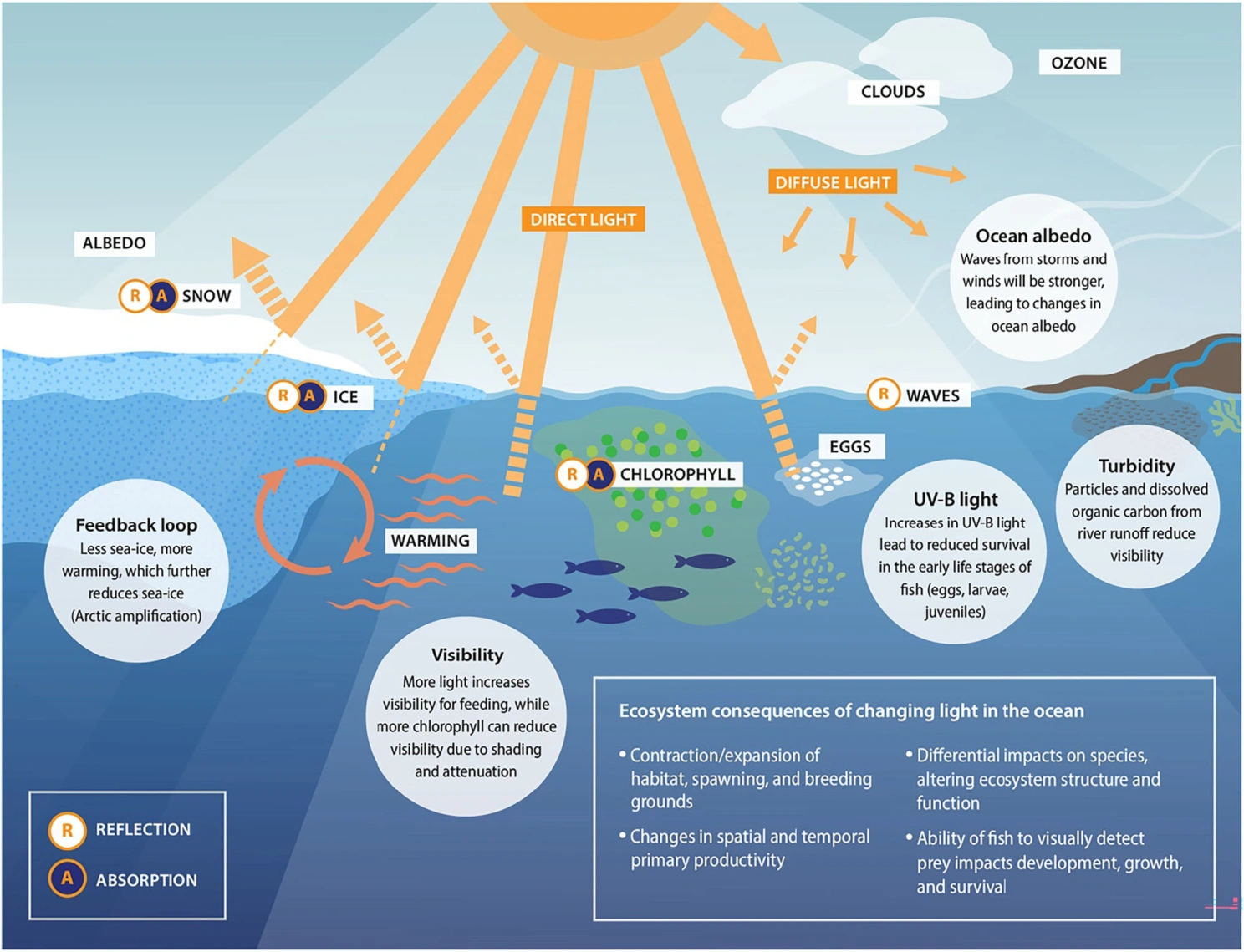
Climate change leads to more than just higher temperatures. Without sea ice, conditions will be brighter below the surface, and fish will be able to see plankton that could previously hide in the dark. Earlier algae spring blooms will mean that less food will be available in summer, when fish need food the most. UV radiation may harm fish eggs. The figure illustrates how light is reflected or transferred through the water, shaping living conditions below the surface. Ill: Kristiansen, 2025 under a CC BY 4.0 license
Moving is no simple solution
Could the polar cod just move? Swim northward into regions still covered by sheltering ice? Steer toward the eternal darkness in the abyss of the North Pole?
"We do not expect the Arctic Ocean to become particularly productive," says Øystein Varpe. "There may not be enough nutrients, and therefore no basis for large populations of fish."
One reason why fish thrive in the Barents Sea, is that this basin is shallow enough for light to reach all the way to the sea floor. Other places, copepods may dive to a thousand meters below the surface and wait there, hidden, till the next spring.
In the Barents Sea such organisms hit the bottom after a couple of hundred meters. When the light returns, a copepod will be visible to any hungry cod or herring.
The Arctic Ocean is deep and offers fewer items on the menu. The limited food supply sets a bounday for how far north polar cod and other Arctic fish species may venture.
An advantage for one may be someone else's disadvantage.
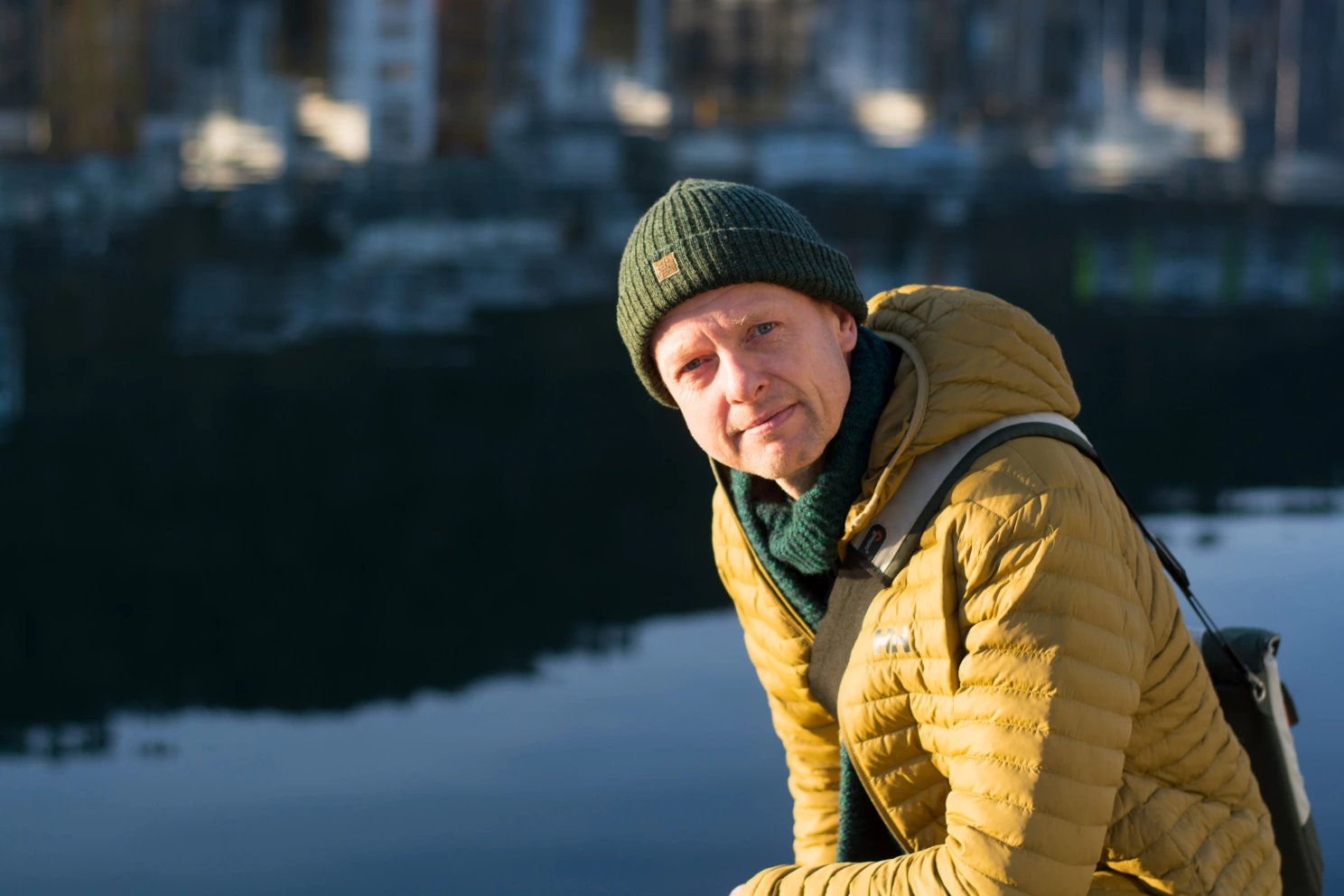
"Being big is dangerous," says Øystein Varpe. That large individuals are easily discovered, normally favors the smaller ones. In the north, where it is dark half of the year, larger plankton have been able to hide. Many polar species are large. As long as the ice protects them against the light, their size provides more advantages than disadvantages. In the coming years they will be more easily spotted by hungry fish. Photo: Ellen Viste
Some still go
Fish that normally live farther south, are now being observed in the Arctic. In Svalbard species preferring warmer waters become more common, while the populations of polar species are thinned out. Atlantic cod takes over; polar cod becomes rarer.
In regions that used to be covered by ice, species from the south now find food more easily. But, the Arctic has characteristics even climate change will not alter.
"The polar night in the Arctic will be very dark, also when the ice is gone," says Øystein Varpe.
A super-swimmer like the mackerel can visit the Arctic in summer and withdraw south before winter comes. But, should this or other species remain in the north throughout the year, they will have to tolerate unfamiliar surroundings: floodlighted waters 24/7 in summer, pitch black darkness throughout the winter.
"In the Barents Sea, species dwelling near the bottom – like cod, haddock and flounder – seem to move northward," says Øystein Varpe.
These fish live different lives than mobile herring or mackerel. When there is no more plankton to eat, the mackerel may swim hundreds of kilometers to spend life in the south.
Cod is key
Polar cod is a key species, Trond Kristiansen explains, as food for birds and whales.
An important question is whether capelin or other fish species can move north and take over the polar cod's role as a link between species that are low and high in the food chain.
Neither Varpe nor Kristiansen is willing to predict whether there in total will be more or less fish in the northern regions in the years to come.
References
Climate change impacts on ocean light in Arctic ecosystems
A fish-eye view on the new Arctic lightscape